
Residential zoning compliance means your property’s use, structures, and occupancy conform to the local land-use regulations your municipality has established. If you own or manage a home, that single fact shapes what you can build, how you can use the space, and what documents a lender or title company will ask for before a sale closes. According to a national reference on residential zoning, decision boundaries run from “permitted by right” all the way to “prohibited” — and most homeowner headaches live somewhere in between.
If you need to act now, here is where to start:
- Check your zoning district. Look up your parcel on your municipality’s online zoning map or GIS portal to confirm your designation (e.g., R-1, R-2).
- Request a Zoning Verification Letter or Certificate of Zoning Compliance from your local planning or zoning department before any sale, refinance, or major renovation.
- Gather your documents. Have your deed, parcel/assessor number, a site plan or survey, and a description of any proposed work ready before you contact the office.
- Call your city or county planning department. A zoning administrator can answer parcel-specific questions faster than any online search.
Key Takeaways
Residential zoning compliance requires confirming that your property’s use, structures, and occupancy match local land-use regulations before selling, renovating, or changing how the property is used.
| Point | Details |
|---|---|
| Check zoning before you plan | Look up your parcel on the municipal zoning map before starting any renovation, addition, or use change. |
| Two documents, two purposes | A Zoning Verification Letter confirms permitted uses; a Certificate of Zoning Compliance confirms current conformance. |
| Zoning and building codes are separate | A clean zoning certificate does not resolve building-code or fire-code violations, which require separate inspections. |
| Violations escalate quickly | A Notice of Violation typically gives a deadline to correct; ignored notices lead to fines, liens, and sale complications. |
| Axeniaconstruction supports every phase | From site assessment and permit filing to corrective construction and final inspection across DC, MD, and VA. |
Table of Contents
- What is a Certificate of Zoning Compliance vs. a Zoning Verification Letter?
- When do you actually need proof of zoning compliance?
- What rules do residential zoning ordinances actually cover?
- How do you check your zoning and apply for a compliance certificate?
- What are common residential zoning violations and how are they fixed?
- How a licensed general contractor supports your zoning compliance
- Where to find local zoning maps, codes, and permit portals
- What we have learned from watching homeowners navigate zoning
- Axeniaconstruction handles the compliance work so you don’t have to
- Sources
What is a Certificate of Zoning Compliance vs. a Zoning Verification Letter?
These two documents are related but answer different questions, and municipalities use a half-dozen names for each.
A Certificate of Zoning Compliance is an official document from a local planning department confirming that a property’s current use and physical condition conform to the zoning code right now. Chicago, for example, requires one for the sale of residential property with five or fewer dwelling units — you cannot close without it.
A Zoning Verification Letter (sometimes called a zoning confirmation letter or zoning opinion letter) identifies the parcel’s zoning district and lists the uses allowed there. It answers “what can this property be used for?” rather than “does it comply today?” As LegalClarity explains, lenders and title companies commonly request both documents during transactions because standard title insurance does not automatically cover zoning violations without a specific zoning endorsement.
Alternate names you may encounter:
- Zoning compliance certificate / zoning conformance letter
- Zoning determination letter / zoning opinion letter
- Letter of zoning compliance / municipal zoning certificate
- Zoning status letter
Common triggers for either document:
- Real estate sale or purchase (buyer’s lender or title company request)
- Mortgage refinancing (lender zoning endorsement requirement)
- Major building permit application
- Change of occupancy or use (e.g., converting a single-family home to a two-unit)
- Short-term rental license application
- Responding to a zoning complaint or Notice of Violation
| Document | What it confirms | Who typically requests it |
|---|---|---|
| Zoning Verification Letter | Zoning district and permitted uses for the parcel | Buyers, lenders, attorneys, investors |
| Certificate of Zoning Compliance | Current conformance of use and structures with the zoning code | Title companies, lenders, municipalities at sale |
When do you actually need proof of zoning compliance?
The short answer: more often than most homeowners expect. The longer answer depends on what you are doing with the property.
Selling or buying a home is the most common trigger. Many municipalities require a compliance certificate before a deed transfers, and buyers’ lenders routinely order a zoning verification letter to support a title policy zoning endorsement. Waiting until the week before closing to request one is a real mistake — processing times vary depending on the jurisdiction and application complexity.
Refinancing follows the same logic. If your lender needs a zoning endorsement on the title policy, they will ask for written confirmation that the property’s use is permitted. A legal glossary from Barnes Walker notes that zoning compliance certificates are commonly required before closing real estate deals and obtaining certain permits.
Applying for major building permits is another frequent scenario. Additions, accessory dwelling units (ADUs), detached garages, and deck expansions all require the permit office to verify that the proposed work stays within zoning limits before issuing a permit. Submitting permit drawings without first confirming your zoning designation wastes time and money.
Occupancy changes and short-term rentals are increasingly common triggers. Converting a basement into a rental unit or listing a room on a short-term rental platform may require a conditional use permit or a specific license, both of which depend on zoning compliance.
A note on HOAs vs. municipal zoning: Homeowners association rules and municipal zoning regulations are separate legal frameworks. Your HOA may prohibit a fence your municipality’s zoning code allows — or vice versa. Both apply simultaneously, and violating one does not excuse compliance with the other. Always check both before starting any project.
What rules do residential zoning ordinances actually cover?
Zoning ordinances divide jurisdictions into districts — typically labeled R-1, R-2, R-3, and so on — and each district carries a table of permitted, conditional, and prohibited uses plus a set of dimensional standards. Here is what each category means for your property:
- Permitted uses: What you can do by right (e.g., single-family residential occupancy in an R-1 district).
- Conditional uses: Uses allowed only with a special permit and public hearing (e.g., a licensed daycare in a residential zone).
- Prohibited uses: Uses flatly banned in the district (e.g., a commercial auto-repair shop in a residential neighborhood).
- Setbacks: Minimum distances a structure must sit from property lines. An addition that extends into the required front-yard setback is one of the most common violations we see.
- Lot coverage: The maximum percentage of a lot that structures can cover. A large deck plus an addition can push a property over the limit without the owner realizing it.
- Building height: Maximum height for primary structures and accessory buildings. A two-story garage addition may exceed the limit even when the footprint is fine.
- Density and dwelling-unit limits: How many units are allowed on a single parcel. Adding a basement apartment in a single-family zone without approval creates an illegal nonconforming use.
- Parking requirements: Minimum off-street parking spaces per unit. Relevant when converting a garage to living space.
- Accessory structures and ADUs: Rules for detached garages, sheds, and accessory dwelling units. ADU regulations vary widely by municipality; our ADU compliance guide for Maryland covers the specifics for this region.
- Home occupations: Restrictions on running a business from a residential address (signage, client visits, employees on-site).
- Short-term rental rules: Many municipalities now regulate rentals under 30 days and enforce via platform monitoring and fines.
Zoning compliance vs. building code compliance: These are two distinct systems. A property can hold a clean Certificate of Zoning Compliance while still carrying outstanding building-code or fire-code violations — because zoning governs land use and dimensional standards, while building codes govern construction safety and technical standards. Separate inspections handle each.
How do you check your zoning and apply for a compliance certificate?
Follow these steps in order. Skipping ahead typically means a re-submittal and a longer wait.
- Identify your parcel. Locate your assessor’s parcel number (APN) on your property tax bill or deed. You will need it for every municipal inquiry.
- Consult the online zoning map. Most municipalities publish an interactive GIS zoning map. Chicago’s Zoning Map Web is a good example of what to look for — enter your address and confirm your zoning district designation.
- Read the land-use table in the zoning ordinance. Once you know your district (e.g., R-2), pull up the municipal code and find the use table for that district. This tells you what is permitted, what requires a conditional use permit, and what is prohibited.
- Contact the planning or zoning administrator. A quick call or email before submitting saves significant time. Ask whether your proposed use or structure requires a verification letter, a compliance certificate, or a full permit review.
- Gather required documents and submit. Most offices ask for:
- Deed or parcel number
- Current site plan or survey showing existing structures and dimensions
- Floor plans (for occupancy or addition reviews)
- Written description of the proposed use or work
- Completed application form and fee payment
Typical timelines and fees vary by jurisdiction. Straightforward verification letters often take 5–15 business days; full compliance certificates tied to a sale or permit may take 2–6 weeks. Fees generally range from modest administrative charges to amounts varying by jurisdiction — check your municipality’s fee schedule directly, as these figures change.
Pro Tip: Submit a complete package the first time. Incomplete applications are the single biggest cause of delays. Call the zoning office for a pre-submittal checklist before you drop anything off — most planners will spend five minutes on the phone to save everyone a re-submittal.
What are common residential zoning violations and how are they fixed?
Residential zoning violations typically fall into three categories: use violations, dimensional violations, and accessory use violations. Enforcement usually starts with a neighbor complaint or a routine inspection, followed by a Notice of Violation that gives the property owner a deadline to correct the problem before fines escalate.
Use violations include operating a prohibited business from a residential address, running an unlicensed short-term rental, or converting a single-family home to multi-unit occupancy without approval.
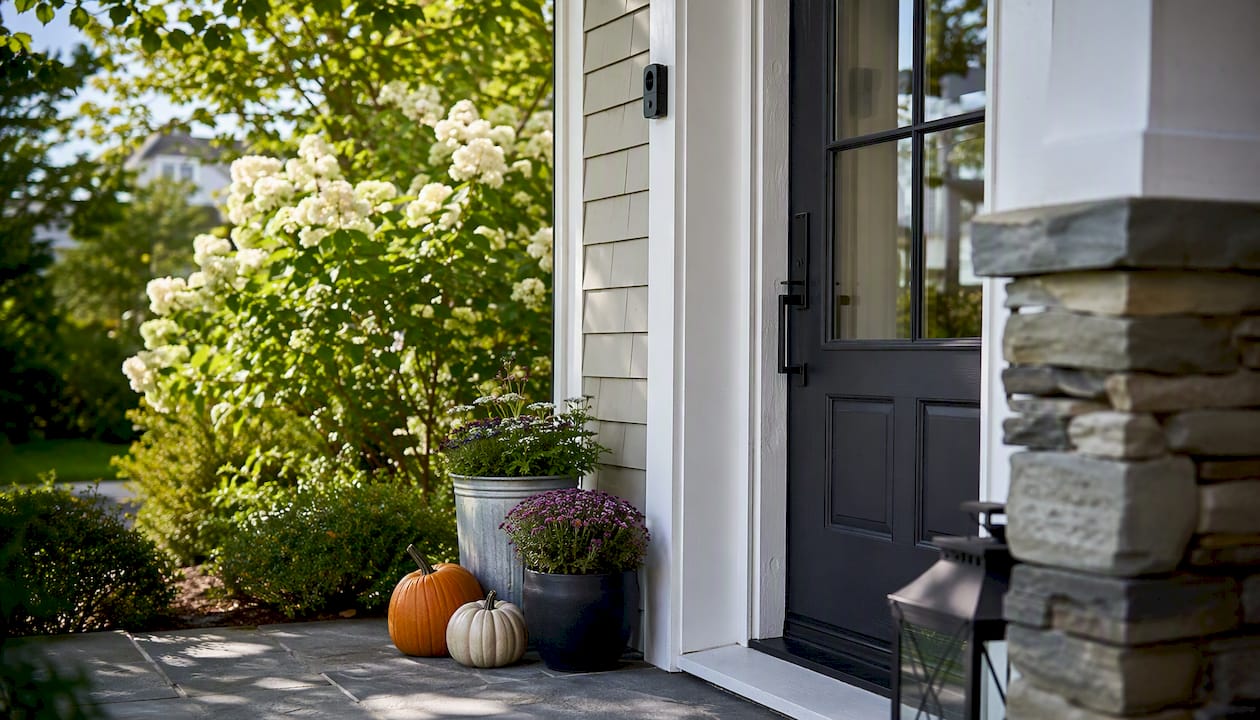
Dimensional violations cover structures built too close to a property line (setback encroachment), buildings that exceed height limits, or lot coverage that surpasses the permitted maximum. These are often discovered during a sale when a surveyor or title company flags the issue.

Accessory use violations include unpermitted ADUs, oversized sheds, or detached garages built without permits. Short-term rental noncompliance falls here too, since many municipalities treat it as an accessory use requiring a specific license.
Remedy options:
- Apply for a variance through the Board of Zoning Appeals (BZA). Variances are granted when strict application of the ordinance creates an undue hardship; expect a public hearing and a high bar for approval.
- Seek a conditional use permit if the use is allowed with conditions rather than prohibited outright.
- Apply for an after-the-fact (retroactive) permit for unpermitted construction that meets current code. This is often the fastest path for structures that were built correctly but never permitted.
- Remove or alter the structure to bring it into conformance. Sometimes the most practical solution, especially for minor encroachments.
- Negotiate a compliance timeline with the zoning office when immediate correction is not feasible.
Ignoring a Notice of Violation carries real consequences: escalating daily fines, potential liens on the property, and a compliance flag that will surface during any future sale or refinance. Zoning violations and code enforcement are handled by separate departments in most municipalities, so resolving one does not automatically resolve the other.
How a licensed general contractor supports your zoning compliance
A licensed general contractor does more than swing a hammer. When zoning compliance is the issue, the right contractor shortens the path from “problem identified” to “permit closed” considerably.
Here is what contractors commonly handle in this context:
- Site measurements and as-built documentation to confirm existing setbacks, lot coverage, and structure dimensions against the ordinance’s requirements.
- Basic site plan preparation for permit applications, coordinating with architects or engineers when stamped drawings are required.
- Pre-application meetings with the planning department to clarify requirements before any documents are submitted.
- Permit-ready document packages assembled and submitted on your behalf, reducing the back-and-forth with the permit office.
- Corrective construction to bring a structure into conformance — whether that means removing an encroachment, modifying a roofline, or completing unpermitted work to current code.
- Inspection coordination through final sign-off, so the compliance certificate reflects completed, approved work.
Before hiring anyone for compliance-related work, ask these questions: Is the contractor licensed in your state and jurisdiction? Have they worked with your local permit office before? Can they provide references for similar compliance or permit projects? Are they insured for both general liability and workers’ compensation?
Pro Tip: Before your first contractor meeting, pull together your deed, a copy of your survey or site plan, photos of the structure or area in question, and any correspondence from the zoning office. A contractor who can see the full picture in the first conversation gives you a faster, more accurate assessment.
Axeniaconstruction is a licensed, locally owned general contractor serving the DC, Maryland, and Virginia area. We work with homeowners and property managers through every phase: initial assessment, documentation, permit filing, corrective construction, and final inspection. Our team has direct experience navigating local permitting offices across the DMV region, which means fewer surprises and faster resolutions for our clients. You can learn more about common home addition mistakes that often involve zoning issues, or review our permit process guidance to understand how we coordinate with municipal offices on your behalf.
Where to find local zoning maps, codes, and permit portals
Before you call the planning office, spend 15 minutes gathering the right information. It makes the conversation faster and more productive.
Municipal resources to use:
- Online zoning map / parcel search: Most cities and counties publish a GIS-based zoning map where you can enter your address and confirm your district. Look for a “GIS,” “zoning map,” or “parcel viewer” link on your municipality’s official website.
- Municipal code / zoning ordinance: Published on the city or county website, often through a third-party platform like Municode or American Legal Publishing. Search your district designation to find the use table and dimensional standards.
- Permit portal: Many jurisdictions now accept permit applications and fee payments online. Check your municipality’s building or planning department page for the portal link.
- Planning/zoning office contact page: The zoning administrator’s direct line or email is the fastest route to parcel-specific answers. Chicago’s employee phone directory is one example of how municipalities publish planner contacts.
- Board of Zoning Appeals information: If you need a variance or conditional use permit, the BZA page lists meeting schedules, application deadlines, and submission requirements.
- Municipal data portals: Some cities publish permit and zoning data through open data portals (such as Toledo’s data portal), which can help you research prior permits on a parcel.
Before you call or submit, have these ready:
- Property address and parcel/assessor number
- A copy of your survey or site plan
- Photos of existing structures and the area in question
- A written description of the proposed work or use change
Document every communication with the planning office. Save confirmation numbers, email threads, and any written guidance you receive. That paper trail protects you if questions arise later during a sale or inspection.
What we have learned from watching homeowners navigate zoning
Most zoning problems we encounter were avoidable. A few patterns show up repeatedly:
- Buying without checking zoning first. Homeowners purchase a property planning to add a rental unit or run a home business, only to discover the zoning district prohibits it. A five-minute parcel lookup before making an offer would have changed the conversation entirely.
- Starting construction before confirming setbacks. A deck, addition, or detached garage built even a foot inside the required setback becomes a violation the moment a neighbor complains or a surveyor measures. Always verify dimensional requirements before breaking ground, not after. Our guide on home addition planning walks through this step in detail.
- Assuming the previous owner handled it. Unpermitted work does not disappear when a property changes hands. The new owner inherits the violation and the obligation to correct it.
The most consistent advice we give: check your zoning before you plan, not after you build. A proactive verification letter costs far less than a variance application, retroactive permit, or corrective demolition.
Axeniaconstruction handles the compliance work so you don’t have to
Zoning compliance is not a single form or a one-time call. It is a process: confirm your zoning status, gather documentation, submit the right application, coordinate with the permit office, complete any required construction, and close out the inspection. Each step has its own timeline and its own requirements.
Axeniaconstruction manages that entire process for homeowners and property managers in DC, Maryland, and Virginia. From the initial site assessment and as-built documentation through permit filing and final inspection sign-off, our team handles the coordination so you can focus on the outcome rather than the paperwork. Whether you are preparing for a sale, correcting a violation, or planning a renovation that needs to stay within zoning limits, we bring the local permitting knowledge and licensed construction capability to get it done right.
Visit our home renovations service page to see how we approach compliance-driven projects, or review our full construction process to understand what working with us looks like from first call to final walkthrough. Ready to get started? Contact Axeniaconstruction to request a consultation — have your parcel number, any zoning correspondence, and a description of your project ready, and we will take it from there.
Sources
Use these resources directly for parcel-specific zoning research. Municipal sources are always the authoritative starting point.
- Certificate of Zoning Compliance – City of Chicago
- Zoning Verification Letters and Compliance Certificates Explained – LegalClarity
- Residential Zoning Compliance: National Reference – Home Compliance