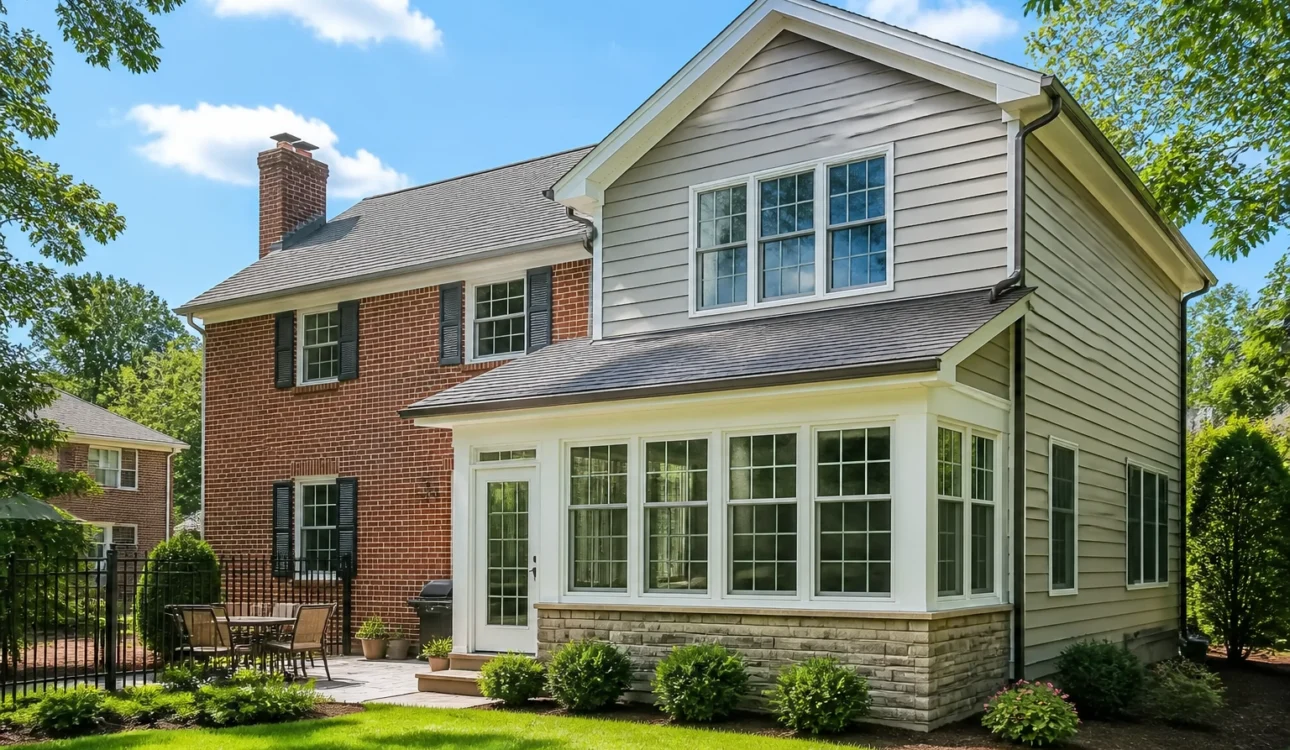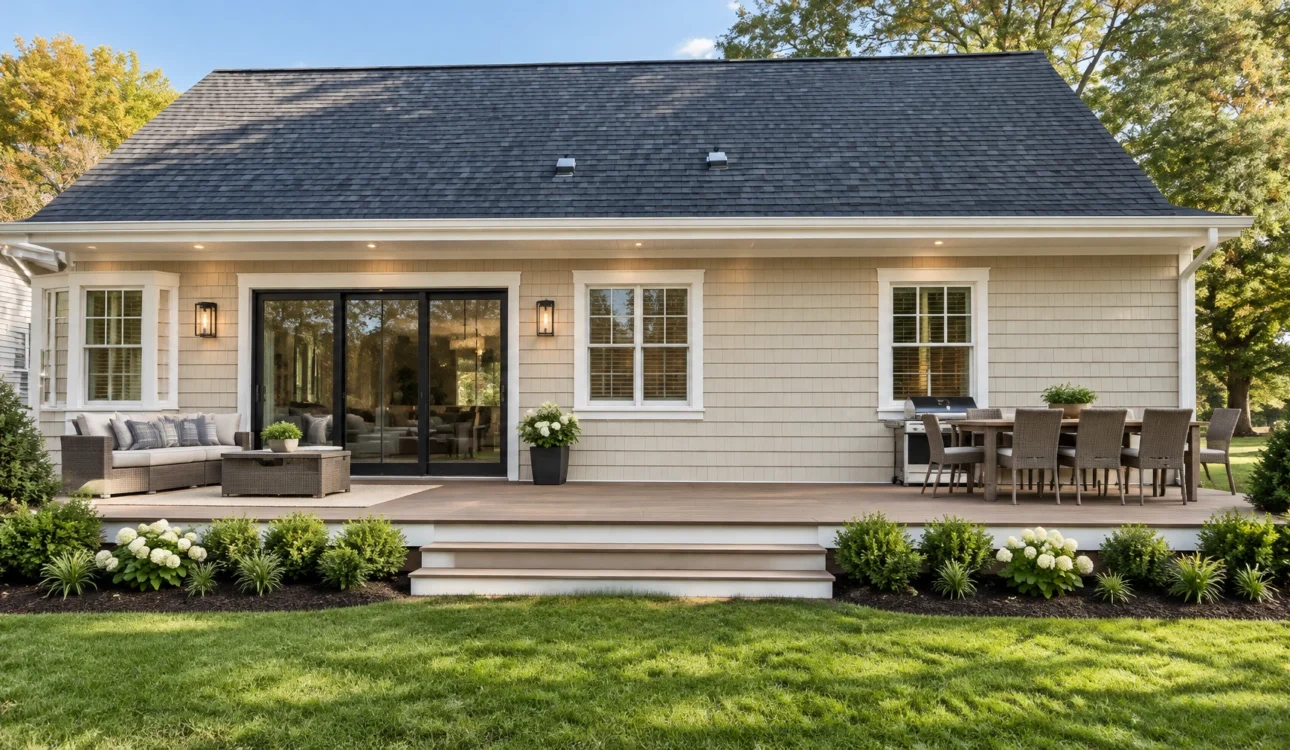
Hiring a General Contractor in Maryland, DC, or Virginia? Straight Answers to the 12 Questions Homeowners Ask Most
Hiring a general contractor in Maryland, DC, or Virginia means choosing a properly credentialed professional who can manage scope, permits, subcontractors, materials, schedule, and quality. The right contractor should also provide a detailed written contract, realistic pricing, and clear communication from design through completion. Quick Answers Homeowner question Short answer What does a general contractor do? Manages the construction project, trades, materials, schedule, permits, and inspections. How much does a general contractor cost? Contractor fees commonly add about 10%–20% to direct construction costs, depending on scope. How much does remodeling cost in the DMV? A bathroom may cost $20,000–$50,000; a kitchen $40,000–$100,000+; additions often start around $175,000. Do contractors need licenses? Yes. Maryland uses MHIC, DC uses its own contractor licensing system, and Virginia uses DPOR licensing. Do I need permits? Most structural, electrical, plumbing, mechanical, addition, and major remodeling work requires permits. How long does remodeling take? A bathroom may take 4–8 weeks. A kitchen may take 8–16 weeks. Additions often take 8–14 months from planning to completion. Is design-build better? Design-build combines design and construction under one contract, which can reduce coordination problems. What should a contract include? Scope, price, allowances, schedule, payment terms, permits, change orders, warranty, and licensing information. Can a contractor handle commercial projects? Yes. Commercial projects require additional planning for code compliance, tenant coordination, inspections, and occupancy. How do I compare bids? Compare complete scopes, allowances, exclusions, schedule, insurance, licenses, and references, not just the lowest price. 1. What does a general contractor do? A general contractor coordinates the entire construction project. That includes planning, estimating, hiring and scheduling trades, ordering materials, arranging inspections, managing safety, and resolving issues. For homeowners, this creates one central point of contact. Instead of coordinating a plumber, electrician, carpenter, designer, and inspector separately, you work with one project manager. A general contractor may handle: Kitchen and bathroom remodeling Home additions and structural changes Attic and loft conversions Deck and porch remodeling Whole-home renovations Commercial tenant build-outs Government and industrial construction Axenia Construction is a women-owned, full-service general contractor based in Rockville, Maryland. The company serves residential, commercial, and industrial clients throughout the DMV and brings more than 16 years of construction and project management experience. 2. How much does a general contractor cost in Maryland, DC, or Virginia? General contractor fees commonly represent about 10%–20% of direct construction costs, although the structure varies by project. Some contractors use a fixed fee, while others use a cost-plus arrangement or include overhead and profit in each trade price. Typical 2026 planning ranges in the DMV include: Project type Typical 2026 construction range Typical on-site timeline Small interior remodel $15,000–$35,000 2–6 weeks Bathroom remodel $20,000–$50,000+ 4–8 weeks Kitchen remodel $40,000–$100,000+ 8–16 weeks Basement or attic conversion $60,000–$150,000+ 8–20 weeks Home addition $175,000–$450,000+ 5–10 months Major whole-home renovation $200,000–$600,000+ 6–14 months These are planning ranges, not fixed quotes. Structural changes, premium finishes, historic review, utility upgrades, site access, and permit requirements can change the final cost. 3. How much does remodeling cost in the DMV? Remodeling costs depend on the size of the space, the layout, the materials, and whether plumbing, electrical, HVAC, or structural systems must move. A basic kitchen refresh may cost less than a full kitchen renovation. Replacing cabinets, counters, lighting, flooring, and appliances while keeping the layout is usually more predictable. Removing a wall, adding a beam, or relocating plumbing creates additional design and engineering work. The smartest way to control costs is to establish: A written scope of work Finish selections before construction A realistic allowance schedule A contingency of approximately 10%–15% A formal change-order process A detailed preconstruction process can prevent expensive surprises later. 4. Do I need a license to hire a contractor in DC? You do not need a contractor license as a homeowner, but the contractor performing the work must have the appropriate District credentials. Maryland and Virginia licenses do not automatically substitute for DC requirements. The DC Department of Buildings (DOB) oversees building permits and contractor-related processes. Ask any general contractor Washington DC homeowners consider to provide current licensing information, insurance documentation, and references for comparable DC projects. For one- and two-family homes, the DC DOB directs applicants to its Permit Wizard for many residential permit applications. Interior alterations, additions, decks, porches, and many mechanical, electrical, and plumbing projects require permits. Learn more through the DC Department of Buildings permit guidance. 5. How do I verify a Maryland contractor’s license? Maryland home improvement contractors generally need a license from the Maryland Home Improvement Commission (MHIC) for covered residential improvement work. Before signing, verify: The contractor’s legal business name MHIC license number and status General liability insurance Workers’ compensation coverage, where applicable Written contract and payment terms Complaint or disciplinary history, when available You can review Maryland licensing information through the Maryland Home Improvement Commission. Do not rely only on a website badge or verbal assurance. The business name on the contract should match the name associated with the contractor’s licensing information. 6. Do I need a permit for a home remodel in Montgomery County? Most structural, addition, electrical, plumbing, mechanical, and major interior remodeling projects require permits. The Montgomery County Department of Permitting Services (DPS) reviews residential building work and manages inspections. DPS handles permits involving: Additions and structural alterations Finished basements and attics Major kitchen and bathroom remodeling Electrical, plumbing, and HVAC work Building code and energy code compliance Some smaller projects may qualify for expedited residential review if they meet specific conditions. Even when a project appears simple, ask whether a building or trade permit is required. Axenia Construction serves homeowners in Rockville, Potomac, Bethesda, Bowie, Laurel, Ft. Washington, and Lanham. A qualified home addition contractor Rockville MD homeowners hire should understand local zoning, setbacks, inspections, and DPS submission requirements. See Montgomery County residential permitting information. 7. What licenses are required for contractors in Virginia? Virginia contractors are licensed through the Department of Professional and Occupational Regulation (DPOR). Virginia uses Class A, Class B, and Class C contractor licenses