Axenia Construction

Looking for a Home Addition Contractor in Rockville MD? 10 Things You Should Know Before You Build

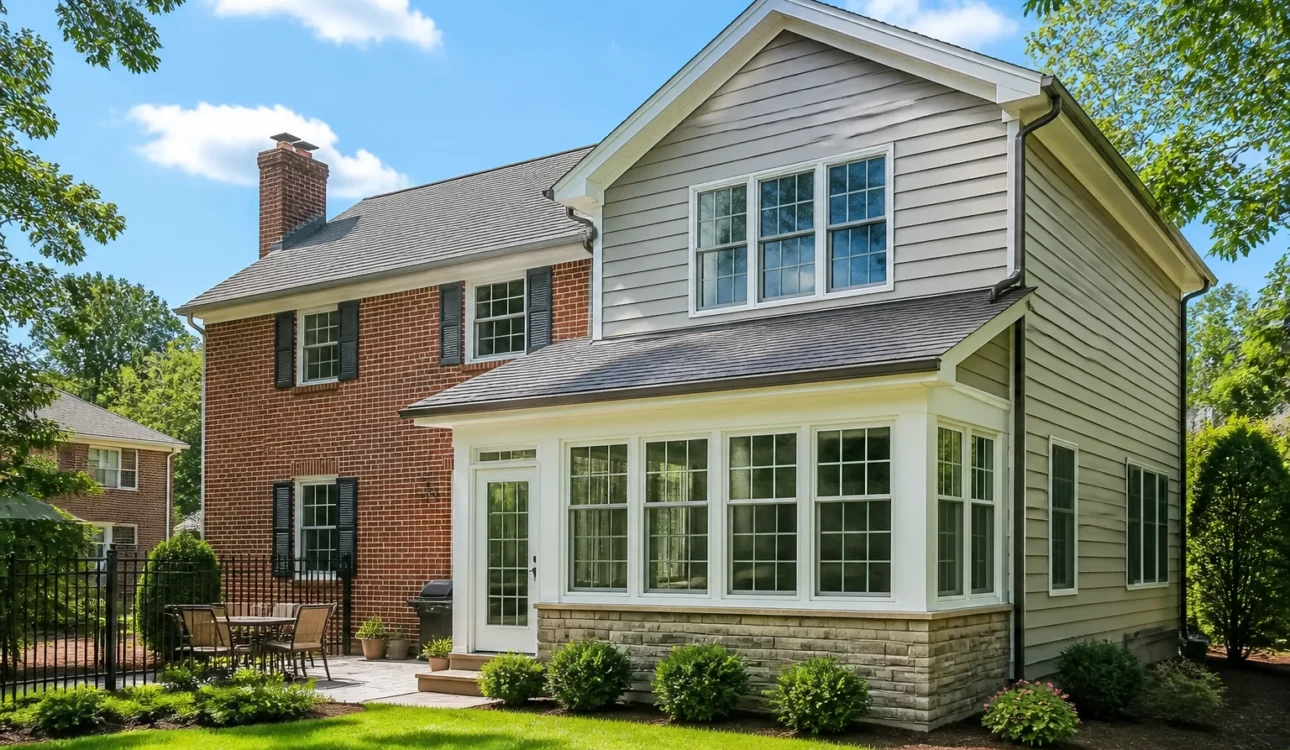
If you love your neighborhood in Rockville but have simply outgrown your square footage, you aren’t alone. To help with your project, it’s important to find a trusted Home Addition Contractor in Rockville MD. Whether you’re looking to add a sun-drenched home office, a primary suite on the main level, or a full second-story addition, expanding your current footprint is often the smartest financial move a homeowner can make. However, a home addition is a complex surgical procedure on your house. It’s not just about “adding a room”; it’s about structural integrity, local zoning laws, and budget management. Finding the right home addition contractor in Rockville MD is the difference between a seamless lifestyle upgrade and a stressful construction nightmare. At Axenia Construction, we specialize in these high-stakes transformations. As a women-owned firm, we bring a unique perspective to project management: prioritizing communication, precision, and building genuine relationships. Before you break ground, here are 10 critical things you need to know about building a home addition in Rockville and the surrounding Montgomery County area. 1. The “Rockville vs. Montgomery County” Permitting Puzzle One of the most common mistakes homeowners make is assuming all local permits are the same. In Maryland, the City of Rockville is an independent municipality with its own Department of Planning and Development Services. If your home is within the city limits, you must follow Rockville-specific building codes, which can be stricter than the general Montgomery County regulations. All trade permits: plumbing, electrical, and HVAC: must be pulled by licensed professionals via the Rockville Development Services portal. Pro Tip: Working with a local expert like Axenia Construction ensures your project doesn’t get flagged with a “Stop Work Order” due to jurisdictional confusion. We handle the paperwork so you don’t have to navigate the bureaucracy alone. 2. Set a Realistic Budget (and a Contingency) In the current market, a high-quality home addition in Rockville typically ranges from $200 to $350 per square foot, depending on the complexity and finishes. A simple room addition might average between $40,000 and $60,000, while a major two-story expansion can exceed $150,000. Yikes, right? It sounds like a lot, but remember: you are building a “micro-house” attached to your existing one. You must account for: Site Preparation: $1,500 – $5,000. Architectural Fees: Usually 10-15% of the build cost. The 10% Rule: Always set aside a 10% contingency for “unforeseens” like hidden rot or outdated wiring inside your existing walls. 3. Framing the Future: Build-Up vs. Build-Out You have two main options for adding space: extending your home’s footprint (Build-Out) or adding a second level (Build-Up). Build-Out: Easier to execute but eats into your yard and may require new foundation work. Build-Up: Preserves your outdoor space but often requires reinforcing the existing foundation and first-floor walls to support the new weight. 4. Why Design-Build is the Smartest Choice Traditional construction often involves a “handoff” from an architect to a contractor, which can lead to miscommunications and “finger-pointing” when the budget doesn’t match the drawings. As a Design-Build firm, Axenia Construction keeps everything under one roof. We handle the professional design and the construction simultaneously. This integrated approach ensures that the design is actually buildable within your budget, saving you time and preventing costly mid-project changes. 5. The Value of a Women-Owned General Contractor There is a strategic advantage to hiring a women-owned firm like Axenia Construction. Statistics and client feedback often highlight that women-led construction companies excel in multi-dimensional communication and meticulous project management. In an industry where “ghosting” or poor communication is a common complaint, we pride ourselves on transparency. We treat your home with the same respect we would our own, ensuring that the construction process is as unobtrusive as possible to your daily life. 6. Managing the Timeline: What to Expect A home addition isn’t an overnight project. In the Rockville/Potomac area, a typical timeline looks like this: Design & Planning: 4–8 weeks. Permitting: 2–10 weeks (depending on the jurisdiction). Construction: 3–6 months for most additions. Spoiler: The permitting phase is often the most unpredictable. That’s why we start the paperwork as early as possible to keep your project on track. 7. Don’t Forget the HVAC Integration Adding 500 square feet to your home means your current heating and cooling system might not be powerful enough to handle the extra volume. During the planning phase, your home addition contractor in Rockville MD should evaluate your existing HVAC unit. You might need to upgrade your main system or install a “ductless mini-split” for the new space. Ignoring this can lead to a beautiful new room that is either freezing in the winter or sweltering in the summer. 8. Maximizing Your Return on Investment (ROI) Not all additions are created equal. If you are looking to maximize your property value in Montgomery County, focus on these high-ROI projects: Primary Suite Additions: Adding a bedroom and bath can recoup 60-70% of its cost. Kitchen Expansions: A larger, modern kitchen is the #1 request from buyers. In-Law Suites: With multi-generational living on the rise, these are highly desirable. 9. Zoning and Setback Requirements Even if you own the land, you can’t always build where you want. Rockville has strict “setback” requirements: minimum distances that must be kept between your addition and the property line. Before we draw a single line, we conduct a site assessment to ensure your dream addition doesn’t violate local zoning laws. If you are in a historic district like West Montgomery Avenue, there may be even more layers of approval required. 10. Vetting Your Contractor (The Essentials) Never hire a contractor based on a handshake. Essential credentials include: MHIC License: Maryland Home Improvement Commission license is mandatory. Insurance: General liability and workers’ compensation. Local References: Ask for recent projects in Rockville or Bethesda. At Axenia Construction, we encourage our clients to check our About Us and see our previous work to see the quality we consistently deliver. Practical Tip: The “Utility Sweep” Before finalizing your addition’s location, have your contractor
Tenant-Fitout-Washington-DC

The Ultimate Guide to Your Next Tenant Fit Out in DC: Everything You Need to Succeed

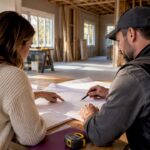
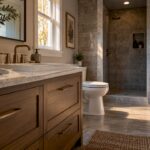
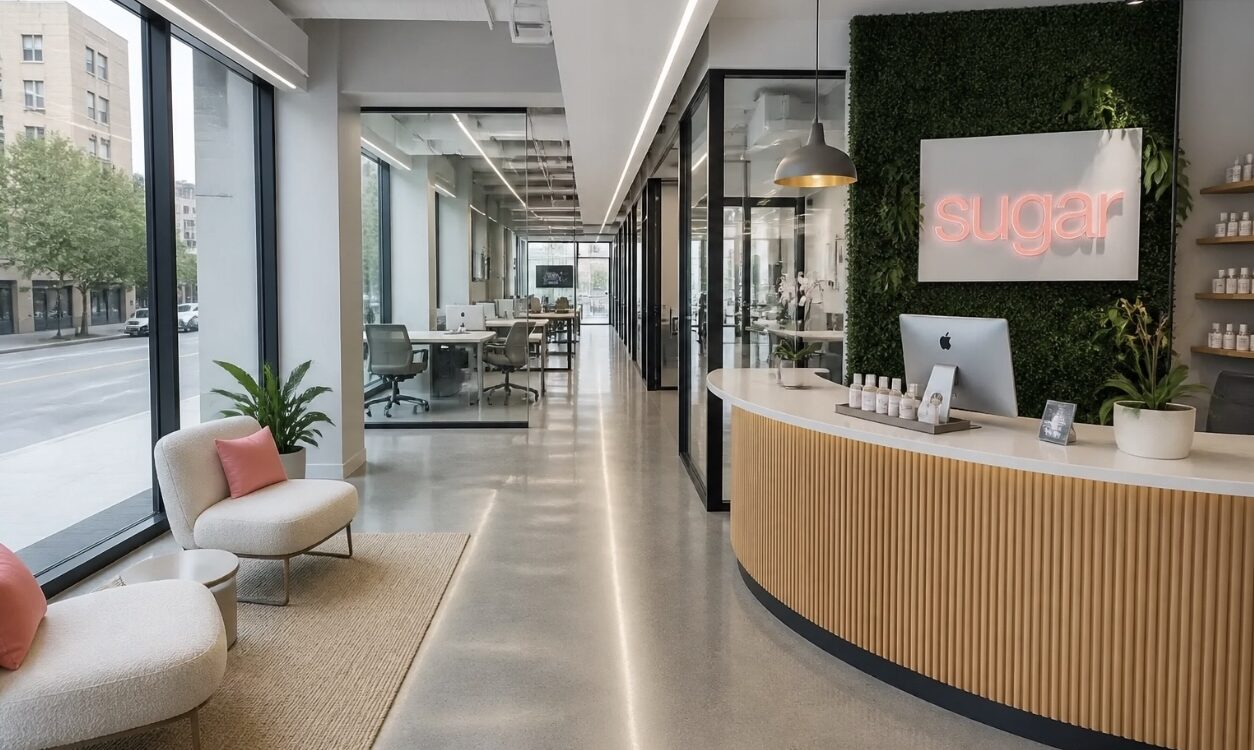
Navigating the commercial real estate landscape in Washington, DC, is no small feat. Whether you’ve just inked a lease for a boutique in Georgetown, a tech hub in NoMa, or a high-end office near K Street, the “shell” you’ve inherited is just the beginning. To turn that empty space into a functional, brand-aligned environment, you need a strategic tenant fit out contractor in DC. A tenant fit-out (or build-out) is the process of making a leased commercial space habitable and tailored to your specific business needs. In a market as competitive and regulated as the District, winging it isn’t an option. You need a partner who understands local building codes, the new Department of Buildings (DOB) permitting timelines, and how to maximize every square foot of your Tenant Improvement (TI) allowance. At Axenia Construction, we specialize in bridging the gap between a landlord’s “white box” and your grand opening. As a women-owned business, we prioritize genuine relationships and transparent communication, ensuring your vision is realized on time and on budget. What Exactly is a Tenant Fit-Out? Before you start picking out finishes, it’s critical to understand what you’re working with. Most commercial leases in the DC area start with one of two conditions: Shell Space: This is the “bare bones”: concrete floors, unfinished walls, and no plumbing or electrical. It’s a blank canvas but requires a significant investment. Turnkey or Second-Generation Space: This space was previously occupied. It might have existing partitions, HVAC, and wiring. While potentially cheaper, it often requires “re-fitting” to match your brand and workflow. Regardless of the starting point, a successful fit-out involves everything from interior partitions and flooring to complex MEP (Mechanical, Electrical, and Plumbing) systems. Alt text: A modern commercial lobby renovation in DC featuring luxury vinyl plank flooring and a custom reception desk, completed by a professional general contractor Washington DC. The Design-Build Advantage in the District In the traditional “design-bid-build” model, you hire an architect, wait for plans, and then bid it out to contractors. Spoiler: This often leads to “sticker shock” when the contractor tells you the architect’s vision is $50k over budget. As a premier design build contractor in DC, Axenia Construction integrates these phases. By having the design and construction teams at the same table from day one, we can: Identify Cost Savings Early: We weigh design choices against real-time material costs. Overlap Schedules: We can begin long-lead procurement and early site prep while final designs are being polished. Reduce Change Orders: Since the builder is involved in the design, “constructability” issues are solved before a single hammer is swung. Navigating the DC Regulatory Landscape Washington, DC, has a reputation for complex permitting. The transition from the old DCRA to the Department of Buildings (DOB) has brought new efficiencies, but you still need an expert to guide you. Permitting Timelines (What to Expect in 2026) Initial Review: The DOB typically assigns a reviewer within 48 hours, with a first-round review target of 30 days. Correction Cycles: Most commercial projects go through 2 to 3 correction cycles. Plan for roughly 54 days for total permit approval for a standard commercial fit-out. Fast-Track Fit-Out Program: If your project is strictly interior and meets certain criteria, we can often utilize the DC DOB Fast-Track program to shave weeks off the wait time. Practical Tip: Never sign a lease without a “permitting contingency” or a clear understanding of when your rent abatement ends. You don’t want to be paying rent while your plans are stuck in a review queue. Alt text: Construction professionals in DC reviewing project plans on-site to ensure compliance with local building codes and DOB regulations. Budgeting: Real-World Costs in Washington, DC DC is unique. While it’s an expensive city, it currently offers some of the most favorable tenant build-out conditions in the country due to high landlord incentives. Average Total Cost: A high-quality commercial fit-out in DC typically ranges from $150 to $250 per square foot, including design, construction, and furniture. The “Out-of-Pocket” Reality: Because many DC landlords offer generous Tenant Improvement (TI) allowances (averaging around $50-$70/sq ft), many tenants see their actual out-of-pocket costs land closer to $103 per square foot. Typical Cost Breakdown: Hard Costs (75-80%): Walls, flooring, HVAC, electrical, and labor. Soft Costs (10-15%): Architectural fees, permits, and legal. FF&E (10%): Furniture, Fixtures, and Equipment. Timeline: From Handshake to Grand Opening Every project is different, but here is a standard timeline for a 5,000-square-foot office or retail fit-out in Montgomery County or DC: Phase 1: Discovery & Design (4-6 weeks): Defining needs, space planning, and material selection. Phase 2: Permitting (8-12 weeks): Submission to DOB/Local county offices and addressing comments. Phase 3: Construction (12-16 weeks): The actual build, inspections, and punch list. Total Estimated Time: 6–9 months. Alt text: A completed commercial bakery fit-out featuring a functional layout and modern finishes, showcasing Axenia’s expertise in specialized retail spaces. Why Choose a Women-Owned General Contractor in Washington DC? In an industry often characterized by rigid hierarchies and transactional communication, Axenia Construction does things differently. Being a women-owned business means we bring a unique perspective to project management: one rooted in collaboration, meticulous attention to detail, and empathy for the business owner’s journey. We don’t just see a “job site”; we see your livelihood. Our project management expertise ensures that every sub-contractor is aligned and every milestone is hit. We’ve successfully delivered high-stakes commercial projects like the Sugar Sugar Salon and Dirty Dough Cookies, proving that “high-end” and “on-budget” can exist in the same sentence. Essential Checklist for Your DC Fit-Out Before you hire a general contractor in Washington DC, make sure you have these boxes checked: Verify Licensing: Ensure your contractor is licensed specifically for commercial work in the District (or MD/VA). Check the TI Allowance: Is your landlord paying you a lump sum, or are they managing the build (Landlord Work)? Ask About MEP Expertise: In older DC buildings, HVAC and plumbing integration is the most common cause of budget overruns. Communication Plan: How often

design-build-washington-dc.

Design-Build vs. Traditional General Contractor in Washington DC: Which Is Better for Your Project?

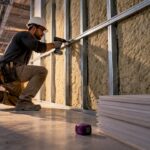
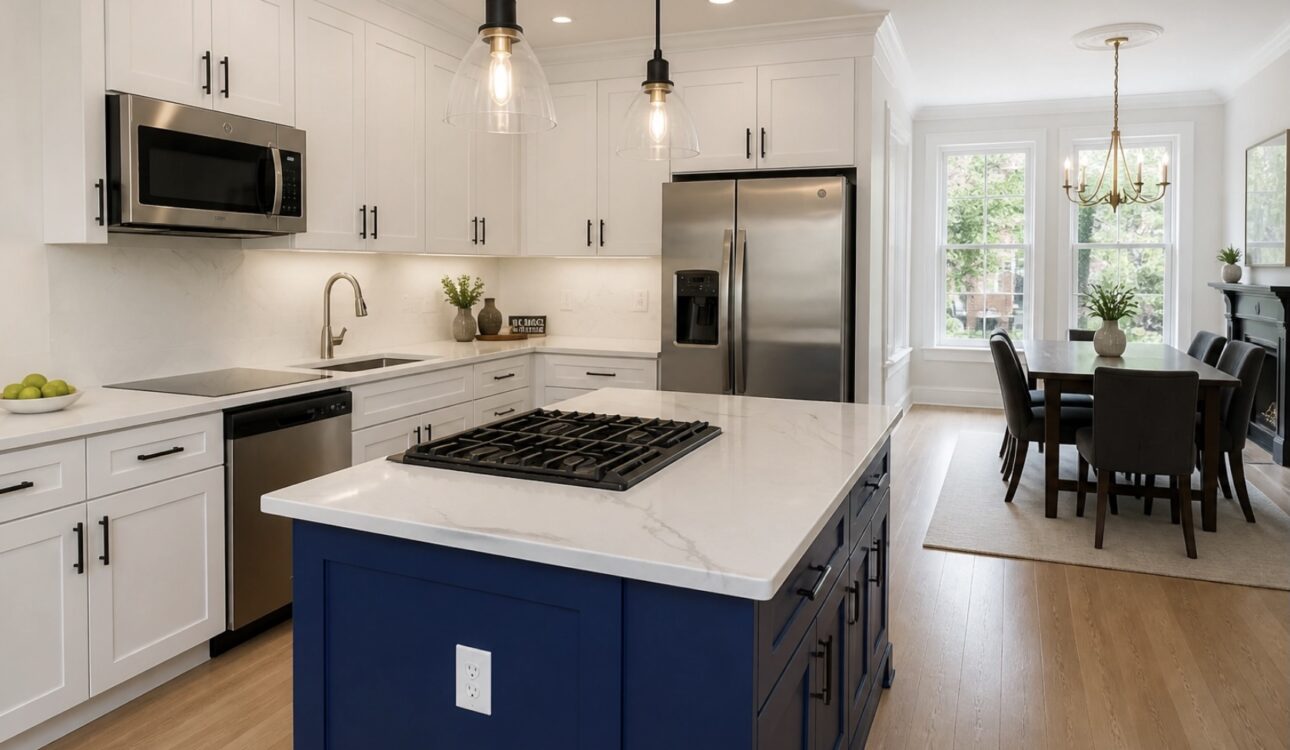
High-end design-build transformations are the gold standard for maximizing space and value in Washington DC’s unique housing market. If you’re planning a major renovation in Washington DC: whether it’s a luxury kitchen overhaul in a Capitol Hill rowhouse or a full-scale tenant fit-out in Dupont Circle: you’ve likely hit your first big fork in the road. Should you hire an architect and then bid the project out to a general contractor in Washington DC, or should you go with a design build contractor in DC who handles everything under one roof? Yikes, right? It’s a choice that can mean the difference between a seamless, stress-free transformation and a multi-month headache of finger-pointing and budget “surprises.” As a woman-owned firm, Axenia Construction sees both sides of this coin daily. We’ve built our reputation on a “relationships first” model, and honestly, the “Design-Build” approach is where we see our clients find the most peace of mind (and the best ROI). In this guide, we’re breaking down the critical differences between these two models, specifically within the complex regulatory and architectural landscape of the District. What is the Traditional “Design-Bid-Build” Model? In the traditional model, the process is fragmented. You hire an architect or designer to create your plans first. Once those plans are finalized, you go out and find a general contractor in Washington DC to bid on the work. The Pros: Independent Oversight: The architect and the contractor are separate entities, which some owners prefer for a “checks and balances” approach. Design Control: You can spend months refining a design before even talking to a builder. The Cons: The Blame Game: If the plans don’t work in reality, the contractor blames the architect, and the architect blames the builder. You, the owner, are stuck in the middle. Budget Gaps: Architects often design beautiful spaces without real-time knowledge of today’s material costs. You might pay $10,000 for a set of plans only to find out they will cost $200,000 more than your budget to build. Slower Timelines: Construction cannot start until every single bid is in and every contract is signed. What is the Design-Build Model? (The Axenia Construction Approach) Design-Build is exactly what it sounds like: a unified workflow. At Axenia Construction, we are your design build contractor in DC, meaning we manage the architectural design, the engineering, the permitting, and the actual construction under one contract and one roof. The Design-Build model integrates architectural planning with real-time construction budgeting, ensuring your dream design stays within your actual budget. Why DC Homeowners Prefer Design-Build: A Single Point of Accountability: If a wall isn’t where it’s supposed to be, it’s on us to fix it. No excuses. Cost-Certainty from Day One: Because we are builders, we know the price of lumber and quartz in 2026. We design to your budget, not above it. Speed to Completion: In a market where DC building permits can take 3-6 months, we can overlap phases to keep the momentum going. Woman-Owned Perspective: We bring a meticulous, relationship-driven approach to project management. We listen differently, ensuring the “flow” of your home matches your real-life needs. The Reality Check: Costs and Timelines in Washington DC Let’s talk numbers. DC is one of the most expensive and regulated construction markets in the country. You need a team that knows the “Height Act,” the Historic Preservation Review Board (HPRB), and the Department of Buildings (DOB). Average Cost Ranges (2025-2026) Project Type Cost Per Square Foot Typical Timeline Cosmetic Refresh $100 – $300 4 – 8 Weeks Kitchen/Bath Remodel $300 – $500 10 – 16 Weeks Full Gut Renovation $400 – $800+ 6 – 12 Months Note: In historic districts like Georgetown or Capitol Hill, expect an additional 4–6 weeks for permit approvals and a 15-20% premium on materials to meet historical standards. The Permit Puzzle Spoiler: You cannot just “start” a project in DC. Residential Permits: Typically 4–6 weeks for initial review. Commercial Permits: 6–8 weeks for standard review. Total Lead Time: With revisions and pre-submission, expect the paperwork alone to take 3–5 months for major structural work. A design-build team handles this bureaucracy for you, which is a massive relief for busy professionals. ROI: Why Integrated Design Wins in DC Real Estate In a competitive market like Washington DC, a poorly executed renovation can actually hurt your resale value. If the “flow” of the home feels choppy because the architect and contractor weren’t on the same page, buyers will notice. As a woman-owned business, Arienne Brown and the Axenia Construction team focus on the emotional and financial ROI of every renovation. When you use a design build contractor in DC, the result is a “seamless” transition between old and new. Whether it’s an attic conversion or a modern kitchen transformation, the integration of design and construction ensures that every dollar spent translates into equity. High-end finishes like low-E glass coatings and non-load-bearing wall removals are executed with precision, maximizing both light and utility. Practical Tips: Choosing the Right Contractor Before you sign any contract, ask these three critical questions: “Who handles the HPRB (Historic Preservation) meetings?” If they don’t have experience with DC’s historic boards, your project could be stalled for months. “Do you offer a Guaranteed Maximum Price (GMP)?” In the Design-Build world, this protects you from surprise overruns. “Can I see a current job site?” A clean, organized job site is the best indicator of a contractor’s professionalism. A professional crew at work ensures safety and quality. At Axenia Construction, we prioritize dust containment and site cleanliness to respect your home. Which Model is Right for You? The Traditional Model might be right if you have a very specific architect you’ve already hired and you aren’t in a rush. It gives you maximum independent oversight. However, if you want a strategic, modern, and efficient experience, the Design-Build model is the smartest choice. It eliminates the friction of managing multiple contracts and ensures that your vision: and your budget: remain intact from the first sketch to the