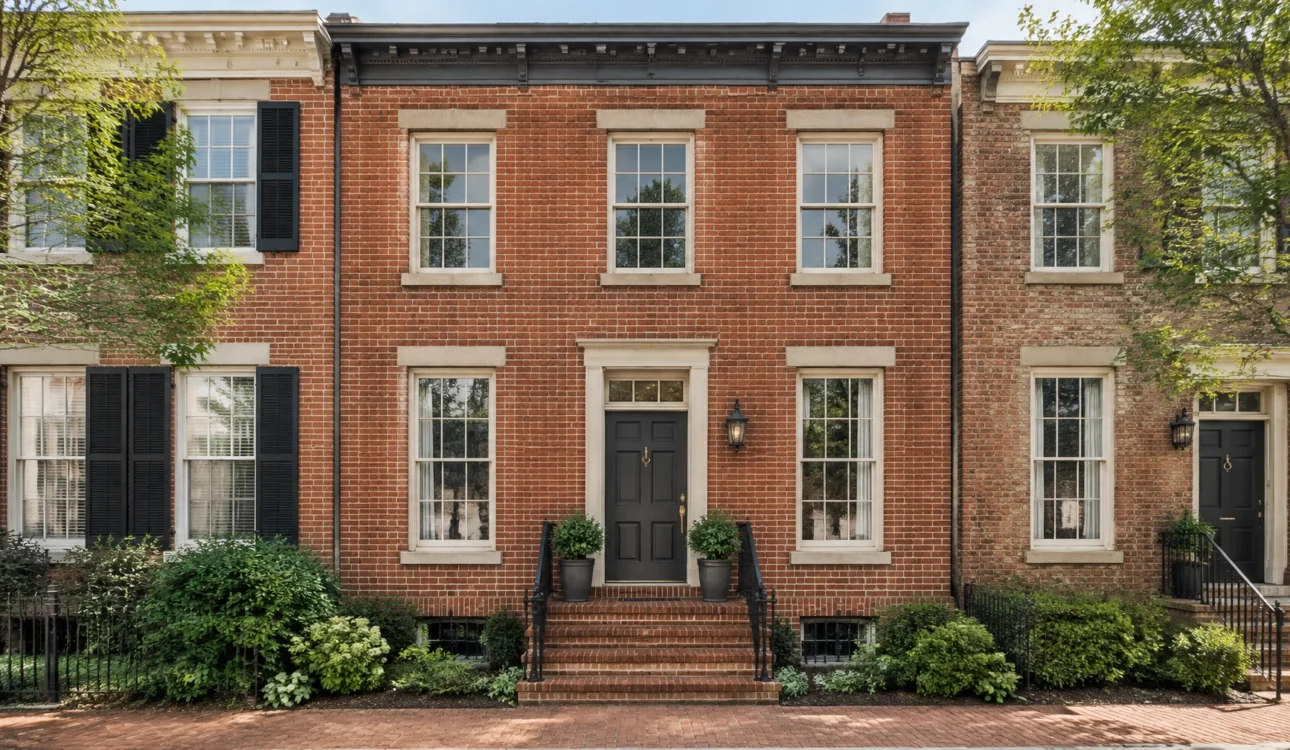
SEO filename: historic-washington-dc-row-home-renovation-exterior.webp
Renovating a historic home in Washington DC starts with confirming the property’s historic status and the approvals required for your specific scope. With early guidance from the Historic Preservation Office (HPO), realistic budgeting, and compatible material choices, you can protect your home’s character while improving comfort and long-term value.
Quick Answers
| Homeowner question | Short answer |
|---|---|
| How do I know if my DC home is historic? | Check PropertyQuest, then confirm designation and contributing status with HPO. |
| Do I need HPRB approval to renovate in DC? | Major or highly visible projects may need Historic Preservation Review Board (HPRB) review; many smaller compatible projects go through HPO. |
| How long does historic preservation review take in DC? | HPO review may take one to five business days; HPRB review typically takes about 30–60 days after filing. |
| Can I replace the windows on my DC row home? | Often, but preservation review may require the new windows to match the historic configuration, dimensions, and visual depth. |
| How much does it cost to renovate a historic home in DC? | Planning ranges vary from $25,000–$50,000+ for a bathroom to $200–$400+ per square foot for a full interior renovation. |
| Are there grants or tax credits for historic home renovation in DC? | Qualifying homeowners may be eligible for a local grant up to $50,000; the federal 20% credit is generally for income-producing properties. |
| Do I need a permit for interior-only work in a historic district? | Interior-only work may not need historic review, but building and trade permits may still apply. |
| What should I check in an older home before renovating? | Evaluate wiring, plumbing, plaster, structure, and other concealed conditions before setting a final budget. |
| How long does a historic home renovation take? | A straightforward interior project may take about 4–8 months; major work or additions can take 9–18 months. |
| What is the smartest first step? | Confirm historic status and discuss the project with HPO before ordering materials or scheduling demolition. |
1. How do I know if my DC home is historic?
Use the District’s PropertyQuest tool to check whether your address is in a historic district or is individually designated. Then confirm with the DC Historic Preservation Office whether the building is contributing to the district; that status can affect the review path.
A contributing building helps define a district’s historic character. Do not assume a home is exempt from preservation review because it looks ordinary or because a nearby house has different restrictions. Ask HPO to confirm your property and proposed scope.
2. Do I need HPRB approval to renovate in DC?
Not always. Many smaller, compatible projects can receive administrative review from HPO, while substantial, visible, or potentially incompatible projects may require HPRB review.
HPO commonly handles in-kind window and door work, masonry repointing, roof repairs, porch and stair repairs, compatible HVAC equipment, skylights, solar equipment, and some minor rear additions. HPRB review may apply to:
- Front or side additions and substantial rear additions
- Rooftop additions or roof decks visible from the street
- New dormers or major front-facade changes
- Changes to historic window or door openings
- Demolition of a contributing building or new construction on a historic lot
The District describes the differences between HPO and HPRB review. Contact HPO early: the Office of Planning says more than 95% of preservation permit applications are handled through HPO expedited review.
3. How long does historic preservation review take in DC?
For a complete application, HPO may respond within approximately one to five business days. HPRB review typically takes about 30–60 days from filing, and can take longer if drawings are incomplete, revisions are needed, or the preservation issues are complex.
That timing is for preservation review, not the entire construction schedule. Your project may also need design development, DC Department of Buildings (DOB) permits, contractor procurement, construction, inspections, and closeout.
Practical tip: Ask HPO about the review path before paying for full construction drawings. For projects that may go to HPRB, concept review can help surface design concerns before you invest in detailed permit documents.
4. Can I replace the windows on my DC row home?
Possibly, but preservation review may require replacement windows to match the existing configuration, dimensions, and visual depth. Repairing historic windows may be preferable when it preserves original materials and meets your performance goals.

SEO filename: historic-dc-row-house-window-repair.webp
The front facade is usually the most sensitive elevation. Brick patterns, mortar joints, muntin patterns, doors, stoops, railings, steps, cornices, and trim may all contribute to its character. Rear elevations generally allow more flexibility, but additions still need compatible scale, height, materials, and placement.
Do not order windows, doors, roofing, or masonry materials until you have confirmed preservation requirements. Historic masonry also needs appropriate mortar; excessively hard mortar can damage softer historic brick.
5. How much does it cost to renovate a historic home in DC?
Historic home renovation costs depend on the home’s condition, project scope, material requirements, and concealed repairs. These 2026 figures are planning ranges, not bids, and site-specific estimates are essential.
| Scope of work | Planning range |
|---|---|
| Full interior renovation | $200–$400+ per square foot |
| DC row-home kitchen remodel | $60,000–$125,000+ |
| Bathroom remodel | $25,000–$50,000+ |
| Whole-home electrical rewiring | $15,000–$30,000+ |
| Lath-and-plaster repair | $5,000–$20,000+ |
| Masonry and facade restoration | $10,000–$50,000+ |
| Rear addition | $250,000–$500,000+ |
Set aside a 10–20% contingency for unknown conditions, such as concealed water damage, outdated wiring, deteriorated framing, or additional plaster repair. A detailed scope and early investigation can reduce surprises and support better budget decisions.
6. Are there grants or tax credits for historic home renovation in DC?
The DC Historic Homeowner Grant Program may offer qualifying homeowners up to $50,000 for eligible exterior and structural repairs. The federal Historic Rehabilitation Tax Credit is a separate 20% credit generally intended for qualifying income-producing historic properties, not a purely owner-occupied primary residence.
The local grant is competitive and subject to available funding. Eligibility generally includes living in the historic home as your primary residence, receiving the DC Homestead Deduction, having a compliant Clean Hands Certificate, and meeting the program’s income requirements. Eligible work may include restoring front windows, doors, porches, stairs, siding, trim, or prominent roofs. Interior finishes, HVAC, plumbing, and new additions are generally not eligible. Work cannot be funded retroactively, so apply before beginning.
See the DC Historic Homeowner Grant Program for current requirements. For federal credit details, review the IRS rehabilitation credit guidance and consult a tax professional and the DC State Historic Preservation Office.
7. Do I need a permit for interior-only work in a historic district?
Interior-only work may not require historic preservation review, but it can still require building, electrical, plumbing, or mechanical permits through DOB. Confirm requirements for your exact scope before work begins.
DC permits may also be required for additions and structural alterations, window and door replacement, roof work, decks, porches, fences, retaining walls, masonry repairs, demolition, and exterior or site changes. The Office of Planning’s permits and design review page explains how preservation review fits into the normal permit process.
8. What should I check in an older home before renovating?
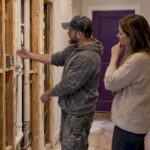
Inspect the home’s structure and systems before finalizing the design and budget. Older DC row homes may have lath-and-plaster walls, older plumbing, or knob-and-tube wiring that needs a qualified electrician’s assessment.

SEO filename: historic-dc-home-lath-plaster-electrical-inspection.webp
Lath-and-plaster walls can be labor-intensive to modify. New wiring or plumbing may require exploratory openings, selective removal, patching, and careful dust control. Knob-and-tube wiring may not support modern electrical demands; have an electrician evaluate the panel, grounding, circuits, and detector placement.
9. How long does a historic home renovation take?
A straightforward interior renovation may take about 4–8 months. A whole-home project involving structural, electrical, or plumbing upgrades may take 6–12 months; a project with a rear addition, significant exterior work, or HPRB review may take 9–18 months from initial design through completion.
A typical sequence is:
- Existing-conditions inspection and project definition
- Preliminary design and budget
- HPO consultation and drawings
- HPO or HPRB review
- DC building permit submission
- Material selections and procurement
- Construction, inspections, and closeout
Start preservation discussions early, and never schedule demolition before required permits and approvals are in place.
10. What is the smartest first step before hiring a contractor?
Confirm the property’s historic status, write down the work you want to do, and ask HPO which review path applies before ordering materials or beginning construction. Then compare contractor proposals based on scope, schedule, allowances, permit responsibilities, and how concealed conditions will be handled.
Axenia Construction is a women-owned general contractor based in Rockville, Maryland, serving Washington DC, Maryland, and Northern Virginia. Founder Arienne Brown brings more than 16 years of project-management experience. For homeowners considering a design-build contractor in DC, an integrated approach can coordinate design, budgeting, permitting, and construction planning. Explore Axenia’s home renovation services or kitchen and bath remodeling.
Frequently Asked Questions
Can I start demolition while my permit is being reviewed?
No. Wait until required approvals and permits are in place. Starting early can lead to delays, added costs, and work that must be revised or undone.
Is HPO review the same as a building permit?
No. Preservation review is an additional step within the District’s building-permit process. You may need both preservation clearance and applicable DOB permits.
Can a rear addition to a historic row house be modern?
It may be possible. Rear elevations generally allow more flexibility, but an addition still needs to be compatible in scale, height, materials, and placement and may require HPO or HPRB review.
Final Thoughts
Renovating a historic home in Washington DC means balancing the home’s character with modern comfort, safety, and a realistic budget. Confirm historic status first, consult HPO early, plan for permits and hidden conditions, and keep a contingency in reserve. These steps help protect the home’s architectural value while making the renovation more predictable.
To discuss your project, schedule an appointment with Axenia Construction.