Verify the contractor’s license through the Virginia Board for Contractors before you sign anything. That single step, plus confirming the license class fits your project’s size, protects you more than any bid comparison ever will.
- Check the license. Search the DPOR contractor lookup and confirm the license is active for the classification your project needs.
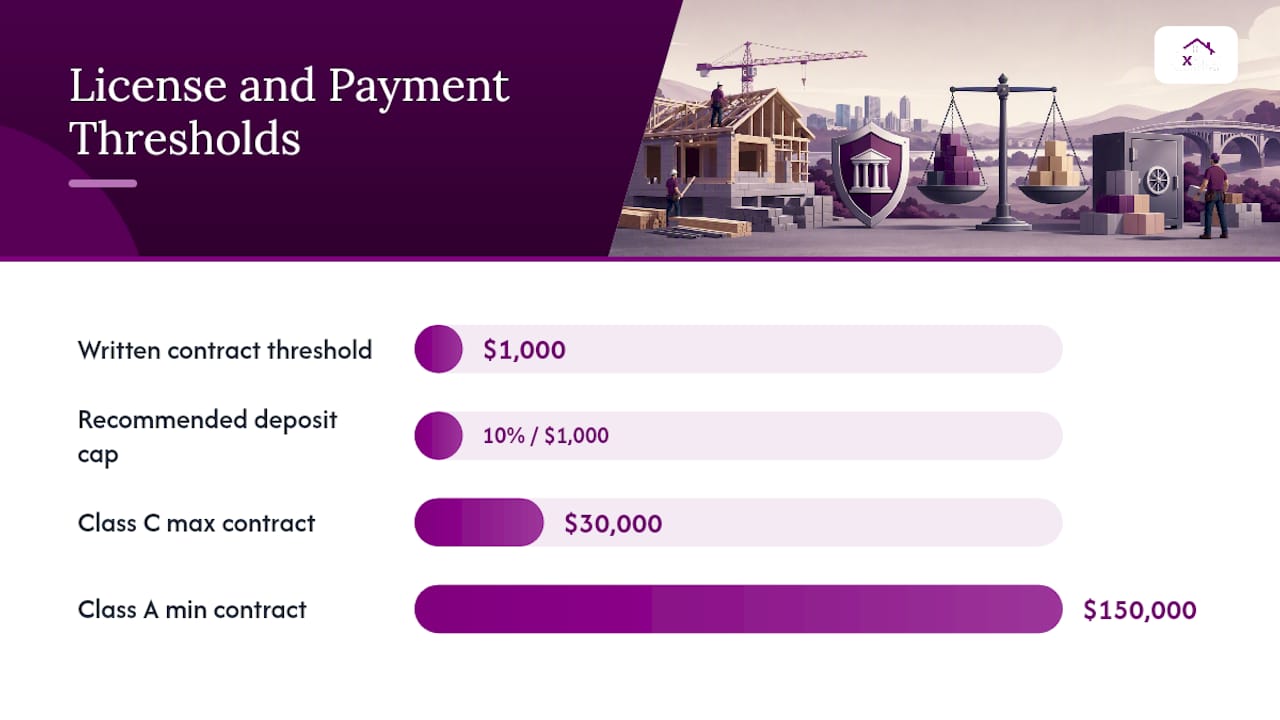
- Match the class to your budget. A Class C contractor cannot legally take on projects that exceed their authorized contract value limit.
- Get it in writing. Virginia law requires a written contract for residential work valued at $1,000 or more.
- Cap the deposit. DPOR recommends limiting an upfront deposit to a moderate fraction of the contract total or a small fixed amount for consumer protection.
Pro Tip: Collect three written bids from licensed firms before you decide. A shortlist built on paperwork, not just price, catches problems early.
Key Takeaways
Hiring a licensed contractor in Virginia comes down to verifying DPOR status, matching license class to project size, and locking in a written contract with a capped deposit.

| Point | Details |
|---|---|
| Verify the license | Use the DPOR Board for Contractors lookup to confirm active status and classification. |
| Match class to project | Class A covers $150,000+ contracts; Class C is capped near $30,000 per contract. |
| Require a written contract | Virginia law mandates a written contract for residential work worth $1,000 or more. |
| Cap the deposit | DPOR recommends limiting upfront deposits to about 10% or $1,000. |
| Choose a vetted local firm | Axenia Construction is a licensed, women-owned general contractor serving Virginia’s residential, commercial, and government clients. |
Table of Contents
- Our Perspective on Building in Virginia
- How Axenia Construction Fits Your Project
- Where to Verify Virginia Contractor Credentials
- Sources
Our Perspective on Building in Virginia
Virginia’s biggest hurdles aren’t the work itself. They’re the permit timelines and the USBC review process, which shifts by locality even though the code is statewide. Costs swing too. As a licensed, women-owned general contractor working across the region, we help clients budget for these realities from day one instead of getting surprised mid-project.
How Axenia Construction Fits Your Project
Whether you’re planning a kitchen remodel, a commercial tenant buildout, or a government contract, Axenia Construction handles general contracting, residential renovations, and design-build work under one roof. We’ve delivered projects across residential, commercial, and industrial sectors, and we handle the permit coordination that trips up so many timelines.
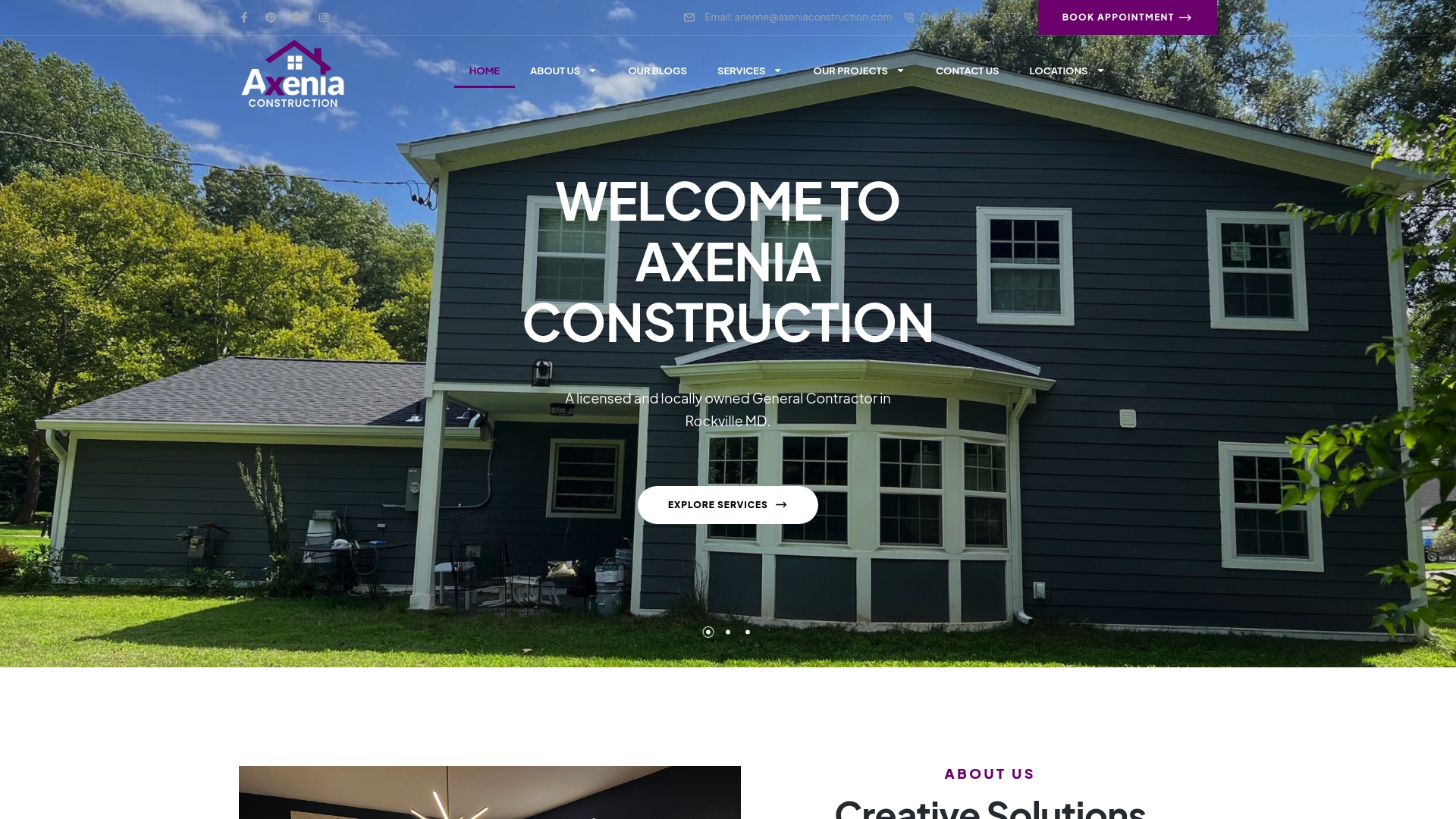
Ready to move forward? Request a site visit and ask us directly for our license number, insurance certificates, and references, the same questions you should ask any firm bidding on your project. You can browse our full capabilities on our services page or start with a project estimate through Axenia Construction Services. If your scope is a commercial buildout, our general contracting team can walk through phasing and budget before you commit to a bid.
Where to Verify Virginia Contractor Credentials
Cross-check any bid against these sources before signing.
- DPOR license lookup: confirms active status and classification for the Board for Contractors.
- Code of Virginia, Title 54.1: sets exact dollar thresholds for each license class.
- Local building department: enforces the USBC and controls permit timelines.
- HBAV housing data: tracks permit volume and regional trends that affect scheduling.
Virginia issued a significant number of building permits in 2025, with approval times varying from weeks to months depending on project complexity and locality, which can impact scheduling.
— Arienne
Sources
- Board for Contractors | Virginia Department of Professional and Occupational Regulation
- Code of Virginia, Title 54.1, Chapter 11 — Contractors
- Virginia new home permitting rises in second quarter, led by multifamily growth — Home Builders Association of Virginia