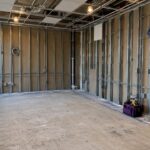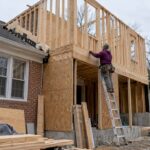
Design-build contracting is defined as a single-contract delivery method where one entity handles both the design and construction of a project from start to finish. The benefits of design build contractors are well documented: faster schedules, earlier cost certainty, and a single point of accountability that eliminates the finger-pointing common in traditional delivery. Design-build now accounts for nearly half of all non-residential construction spending in the US. That figure reflects a fundamental shift in how owners, developers, and homeowners choose to build.
1. Benefits of design build contractors: faster project delivery
Design-build compresses project timelines by overlapping the design and construction phases, a technique known as fast-tracking. In a traditional design-bid-build model, construction cannot begin until design is fully complete and bids are awarded. Design-build eliminates that gap entirely.
Timelines compress by 20–40% compared to traditional sequential delivery. That compression translates directly into earlier occupancy, faster revenue generation for commercial owners, and less disruption for homeowners.
Here is what fast-tracking looks like in practice:
- Foundation work begins while interior layouts are still being finalized
- Structural steel is ordered during design development, not after permit approval
- MEP (mechanical, electrical, plumbing) coordination happens in real time with the design team
- Permit submissions are phased, so early site work proceeds while later packages are reviewed
- Procurement of long-lead items starts weeks or months ahead of traditional schedules
Research from the Construction Industry Institute confirms that design-build projects are delivered 102% faster than comparable traditionally managed projects. For commercial sectors like healthcare, retail, and hospitality, that speed directly supports time-sensitive business openings.
Pro Tip: Set a clear milestone schedule with your design-build team before work begins. Shared deadlines keep all disciplines aligned and prevent the communication gaps that erode schedule gains.
2. Cost advantages of using design-build contractors
Design-build delivers cost certainty earlier than any other delivery method. The contractor joins the project during design, which means budget inputs are grounded in real construction costs, not estimates made in isolation.

Early contractor involvement enables a guaranteed maximum price (GMP) to be established before full construction documents are complete. That gives you a firm budget ceiling while design is still being refined. Continuous estimating throughout the design phase catches cost overruns before they become change orders.
The financial case for design-build is clearest in change-order data:
- Design-build projects carry a change-order rate of just 1–3%, compared to 5–12% in traditional models
- Value engineering happens during design, not after construction has started
- Single-contract responsibility removes the disputes between designers and contractors that generate extra charges
- Budget transparency is maintained throughout, not revealed only at bid time
- Owners make informed trade-off decisions early, when changes are still inexpensive
That 1–3% change-order rate is significant. In a $2,000,000 commercial project, the difference between a 3% and a 10% change-order rate is $140,000 in unplanned costs. Design-build keeps that money in your pocket.
Early contractor involvement improves both cost control and constructability throughout the design phase. Builders catch details that architects working alone might miss, such as material lead times, local subcontractor pricing, and site-specific conditions.
3. Unified accountability and risk management
Single-point accountability is one of the most underrated design build advantages for owners. In a traditional project, the architect blames the contractor for cost overruns, and the contractor blames the architect for incomplete drawings. You are left managing the dispute.
Design-build eliminates that dynamic. One entity is responsible for both design performance and construction performance. If a detail is wrong, the same team fixes it without a billing dispute.
Key accountability benefits include:
- Fewer disputes and reduced litigation because design and construction liability sit in one contract
- Risk is allocated to the party best positioned to manage it, the design-builder
- Problem resolution happens internally, not through owner-mediated conflict
- Contract language is simpler because there is no interface between separate design and construction agreements
- Owners spend less time managing relationships between competing parties
Design-build projects experience 3.8% less cost growth than traditionally delivered projects. That reduction is directly tied to fewer unresolved conflicts between design and construction teams.
Pro Tip: If your project is large or technically complex, hire an independent owner’s representative. That person reviews deliverables on your behalf without disrupting the design-builder’s workflow, giving you technical oversight without creating adversarial dynamics.
4. Enhanced collaboration and innovation from integrated teams
Integrated design-build teams produce better construction outcomes because architects, engineers, and builders work together from day one. In traditional delivery, these groups work sequentially and often never share a meeting until problems arise on site.
Early collaboration means constructability issues are resolved during design, not discovered during construction. A structural engineer and a framing contractor reviewing the same drawing together will catch conflicts that neither would catch working alone.
“Successful design-build requires owners to provide goals and allow the team to solve problems in real time.” This shift from managing contracts to managing outcomes is what separates owners who thrive in design-build from those who struggle with it.
Collaboration-driven benefits include:
- Alternate materials are evaluated for cost and availability before specifications are locked
- Efficient floor plan layouts emerge from builder input, not just design preference
- MEP coordination is resolved digitally before installation, reducing field conflicts
- Subcontractors are engaged earlier, improving scheduling accuracy
- Design decisions reflect real-world construction constraints, not theoretical ones
Owners who define clear project outcomes rather than micromanaging individual contracts get the most from design-build. Your role shifts from contract administrator to goal-setter, which is a more productive use of your time and authority.
The benefits of integrated design extend to quality as well. When the team building your project also designed it, they have a personal stake in the outcome. That ownership mentality produces more careful work.
5. Design-build advantages for commercial projects
Commercial developers gain specific advantages from design-build that residential owners may not fully appreciate. Speed and predictability are the two factors that most directly affect commercial project returns, and design-build delivers both.
Commercial sectors including healthcare, retail, and hospitality rely on design-build because late openings cost real money. A retail store that opens three months late loses three months of revenue. A hospital wing delayed by contractor disputes affects patient capacity. Design-build removes those risks.
For commercial developers, the financial model also works differently. A GMP established early allows financing to be structured with confidence. Lenders respond better to a fixed cost ceiling than to a traditional bid that may shift after design is complete. That certainty has direct value in deal structuring and investor reporting.
Design-build also supports phased commercial projects. A developer building a mixed-use property can fast-track the retail base while the residential floors above are still in design development. That phasing is nearly impossible to manage under separate design and construction contracts.
6. When design-build may not be the right choice
Design-build is not the right delivery method for every project. Knowing when to choose a different approach protects your investment and your design vision.
Situations where traditional delivery may serve you better:
- Historic preservation projects requiring independent architectural oversight and regulatory compliance review
- Projects where design quality and aesthetic control are the primary goals, not speed or cost
- Owners who prefer competitive bidding to validate pricing through market exposure
- Highly bespoke residential designs where the architect’s independent advocacy is central to the outcome
- Public projects subject to procurement laws that require separate design and construction contracts
Design-build does not always guarantee superior design quality compared to traditional architecture. When design excellence is the primary measure of success, traditional delivery with an independent architect may produce a better result.
In contractor-led design-build, the architect’s contract alignment with the builder reduces independent design oversight. Owners who want strong technical checks should retain an owner’s representative to fill that role. That addition adds cost but preserves the accountability that independent architecture provides.
The right delivery method depends on your priorities. If speed, cost certainty, and reduced administrative burden matter most, design-build is the clear choice. If design control and competitive pricing matter more, evaluate traditional delivery carefully before committing.
Key takeaways
Design-build contracting delivers faster schedules, lower change-order rates, and unified accountability under one contract, making it the most efficient delivery method for owners who prioritize cost certainty and speed.
| Point | Details |
|---|---|
| Faster delivery | Design-build compresses timelines by 20–40% through overlapping design and construction phases. |
| Lower change-order costs | Change-order rates of 1–3% in design-build compare favorably to 5–12% in traditional models. |
| Single accountability | One contract covers design and construction, eliminating disputes between separate parties. |
| Early cost certainty | Guaranteed maximum price is established during design, giving owners a firm budget ceiling. |
| Know the limits | Projects prioritizing design quality or competitive bidding may benefit from traditional delivery. |
Why I think design-build is the most misunderstood delivery method in construction
Most owners come to design-build expecting it to be a shortcut. It is not. It is a fundamentally different way of organizing a project, and the owners who get the most from it are the ones who shift how they think about their own role.
The biggest mistake I see is owners who treat design-build like traditional delivery with a faster schedule. They still want to approve every drawing, negotiate every subcontract, and weigh in on every material choice. That behavior cancels out the efficiency gains that make design-build worth choosing.
Developers who shift from managing contracts to managing outcomes get dramatically better results. Define what success looks like in measurable terms: budget ceiling, completion date, occupancy requirements, performance standards. Then let the team solve the how.
I also think the design quality concern is overstated for most projects. The idea that design-build produces generic buildings is a holdover from early adoption. Integrated teams today include talented architects who work well within builder-led structures. The design-build process has matured significantly, and the results reflect that.
Where I do think traditional delivery holds a genuine edge is in projects where the design itself is the product. A custom home where the owner’s aesthetic vision is the entire point of the exercise deserves an architect who answers only to that vision. Design-build is built for efficiency. Traditional architecture is built for design primacy. Know which one you actually need before you sign a contract.
— Arienne
Axeniaconstruction’s approach to design-build projects
Axeniaconstruction is a licensed, women-owned general contractor based in Rockville, MD, with hands-on experience in both residential and commercial design-build delivery. We work with homeowners planning renovations and commercial developers managing complex builds, bringing the same commitment to transparency and quality to every project.
Whether you are planning a home renovation or a commercial construction project, our team integrates design and construction from the first conversation. We help you establish clear goals, set a realistic budget, and deliver on schedule without the disputes that come with managing separate contracts. Contact Axeniaconstruction today to talk through your project and find out whether design-build is the right fit for what you are building.
FAQ
What is a design-build contractor?
A design-build contractor is a single entity that manages both the design and construction of a project under one contract. This structure gives owners one point of contact and one party responsible for all outcomes.
How does design-build save money?
Design-build reduces change-order rates to 1–3% compared to 5–12% in traditional delivery, and early contractor involvement locks in a guaranteed maximum price during the design phase.
How much faster is design-build vs traditional construction?
Design-build compresses schedules by 20–40% through overlapping design and construction phases, with research confirming delivery speeds up to 102% faster than traditional methods.
Is design-build right for residential projects?
Design-build works well for residential renovations and new construction where speed and budget certainty are priorities. Projects where the architectural design vision is the primary goal may benefit from traditional delivery with an independent architect.
What is the biggest risk of design-build contracting?
Reduced independent design oversight is the primary risk, since the architect in a contractor-led model answers to the builder. Hiring an independent owner’s representative addresses this gap for owners who need technical checks.