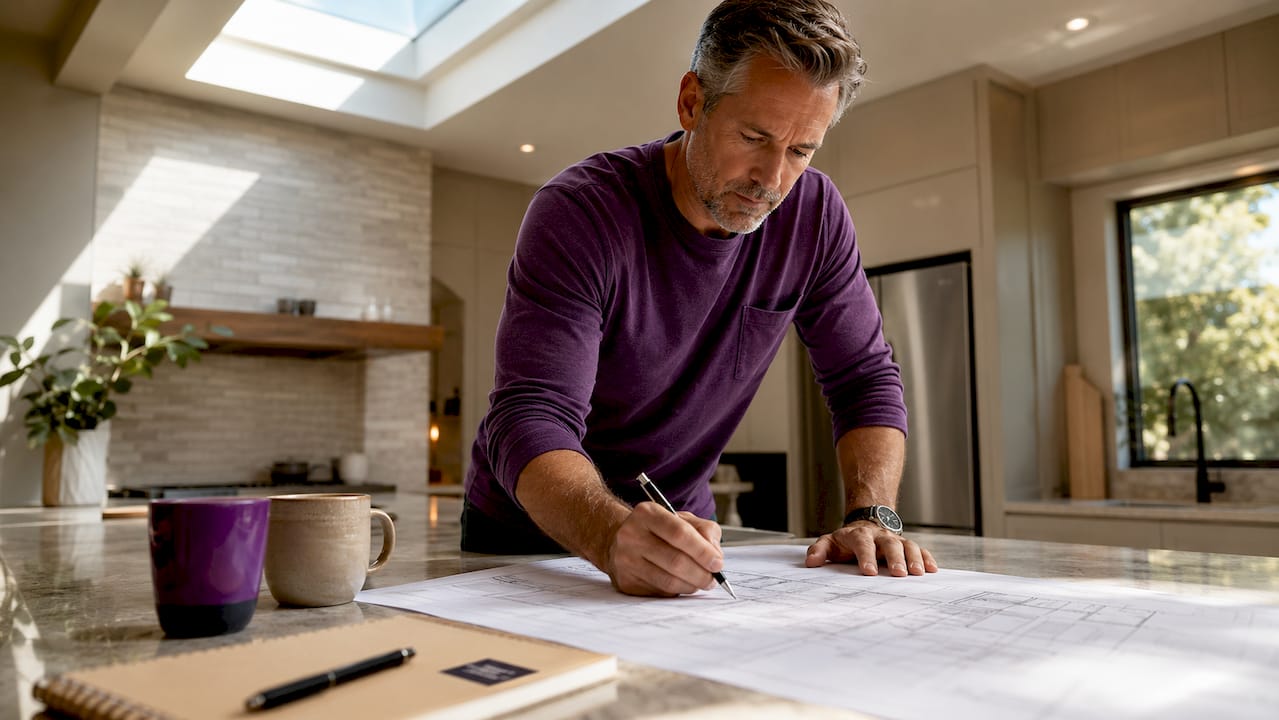
Common home addition mistakes are the leading cause of budget overruns, permit denials, and additions that feel disconnected from the rest of your home. In the construction industry, these errors fall under the broader category of residential addition planning failures, and they share one root cause: decisions made too late or without enough information. Whether you are adding a bedroom in Rockville, MD, or expanding a kitchen in the suburbs, the same pitfalls show up on job sites everywhere. This guide covers the most costly mistakes, with specific examples and practical guidance to help you plan smarter from day one.
1. What are the top budgeting mistakes in home additions?
Underestimating the true cost of a home addition is the single most common financial error homeowners make. Most initial quotes cover labor and materials, but they rarely account for permit fees, engineering reports, utility upgrades, or the unexpected conditions hidden inside your walls.
One of the most expensive surprises involves older homes. Replacing knob-and-tube wiring adds upwards of $20,000 to a project budget. That figure almost never appears in a contractor’s first estimate, because it only surfaces once walls are opened.
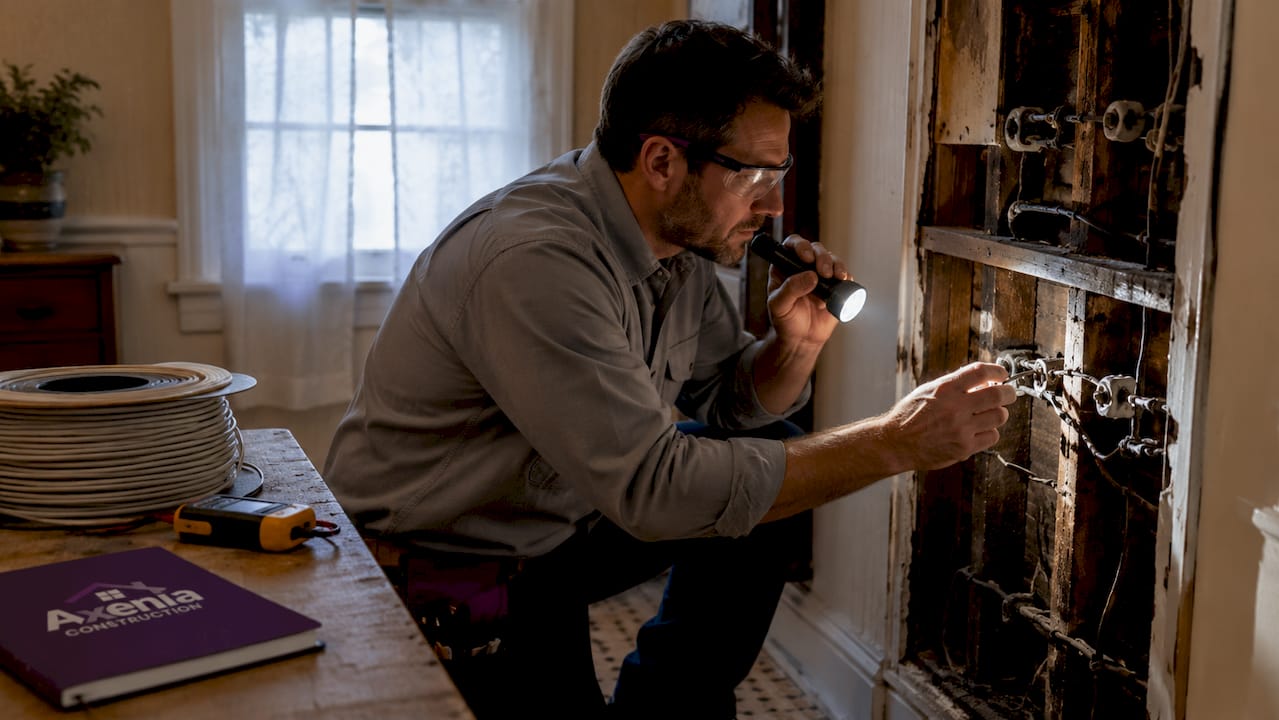
A reliable budgeting rule for home additions is to set aside a contingency fund of at least 15–20% of your total project cost. Some experienced contractors recommend the 30% rule for older homes, where hidden infrastructure issues are more likely. Without this buffer, a single unexpected discovery can stall your entire project.
Here are the hidden costs that most homeowners miss:
- Building permit fees (vary by municipality but can reach several thousand dollars)
- Structural engineering assessments
- HVAC system extensions or full replacements
- Electrical panel upgrades to support added square footage
- Plumbing rerouting when additions affect existing pipe runs
- Material price increases between bid and construction start
Pro Tip: Review and revise your budget monthly once construction begins. Real-time updates prevent financial surprises and keep you in control of decisions as conditions change.
Comparing at least three bids from licensed contractors also protects you. A wide gap between the lowest and highest bid usually signals that the low bidder has omitted critical scope items. That omission will reappear as a change order once work is underway.
2. How can ignoring permits and building codes derail your project?
Skipping building permits is one of the most financially damaging home addition mistakes a homeowner can make. The consequences extend well beyond a fine. Unpermitted work can force you to tear out completed construction, delay your project by months, and create serious problems when you sell your home.
Local building codes govern everything from how far your addition must sit from the property line (setback requirements) to the load capacity of your new floor joists. Zoning laws may also restrict the total square footage you can add or limit the height of new structures. Ignoring zoning constraints like setbacks or floodplain boundaries often results in permit denial or expensive redesigns after plans are already drawn.
Follow these steps to stay compliant from the start:
- Contact your local building department before hiring anyone. Confirm what permits your project requires.
- Hire a licensed contractor who pulls permits as part of their standard process.
- Commission a site survey to confirm property lines, setbacks, and any easements.
- Schedule required inspections at each phase: foundation, framing, rough-in, and final.
- Keep copies of all approved permits and inspection sign-offs for your records.
For a detailed breakdown of what triggers a permit requirement, the building permit guide from House A-Z covers the most common project types clearly.
Pro Tip: Ask your contractor to walk you through the permit timeline before signing any contract. A contractor who treats permits as optional is a contractor worth walking away from.
Axeniaconstruction handles permit navigation as part of every residential project. Understanding the permit process for renovations before breaking ground protects your investment and your timeline.
3. Why choosing the right contractor matters more than price
Choosing a contractor based on the lowest bid is a fast path to disappointment and overspending on change orders. Low bids frequently exclude permits, proper engineering, or contingency allowances, which means the “savings” disappear the moment construction starts.
The risks of hiring unlicensed or underqualified contractors include:
- Structural work that fails inspection and must be redone
- Subcontractors who are not properly insured, leaving you liable
- Scope gaps that generate expensive change orders mid-project
- Poor coordination between trades, causing delays and rework
- No accountability when problems surface after completion
Hiring separate design and construction teams often compounds these problems. When the architect and the builder are not aligned, redesign fees and schedule delays multiply. An integrated design-build approach puts both functions under one roof, reducing the friction between what is drawn and what gets built.
“The most expensive contractor is not the one with the highest bid. It is the one who wins with a low number and then rebuilds the budget through change orders.”
When evaluating contractors, ask for references from projects similar in scope to yours. Review their license status with your state’s contractor licensing board. Confirm they carry both general liability and workers’ compensation insurance. And get everything in writing, including payment schedules, scope of work, and a clear change order process.
Pro Tip: Set communication expectations before signing. Agree on how often you will receive progress updates, who your primary contact is, and how decisions will be documented. Clear communication prevents misunderstandings that cost money.
4. Common design and structural planning mistakes that reduce value
Poor integration between a new addition and the existing home is the design mistake that most visibly reduces property value. When rooflines do not align, floor levels step up awkwardly, or exterior materials clash, the addition reads as an afterthought rather than a natural extension of the home.
Structural changes also trigger ripple effects across your home’s systems. Moving a wall to open up a new space can affect roof framing, HVAC duct routing, and electrical circuits throughout the house. These cascading modifications increase both complexity and cost in ways that are hard to predict without thorough upfront planning.
Two other design pitfalls deserve attention. First, selecting materials too early or too late creates budget and schedule problems. Committing to custom windows or cabinetry before final dimensions are confirmed locks in costs that may not fit the final design. Waiting too long means lead times push your completion date back by weeks. Second, building spaces without a clearly defined use wastes money. A bonus room that becomes a storage area is a costly addition that adds little real value.
| Design integration: dos and don’ts | |
|---|---|
| Do | Don’t |
| Match rooflines and eave heights to the existing structure | Add a flat roof to a home with a steep pitch |
| Use the same exterior siding, trim, and window profiles | Mix brick with vinyl siding on the same facade |
| Extend existing HVAC zones or plan new ones early | Assume your current system can handle added square footage |
| Plan natural light and traffic flow before finalizing layouts | Finalize room dimensions before confirming window placement |
| Confirm floor heights match at the transition point | Create a step-up between old and new floors without a design reason |
Planning for natural light and traffic flow before finalizing your layout also pays dividends. A well-lit addition with logical circulation feels like it belongs. A dark room with an awkward entry feels like a mistake, regardless of how well it was built. For guidance on connecting new spaces to your existing structure, the home addition planning resource from Axeniaconstruction covers integration in practical detail.
Key takeaways
Avoiding costly home addition mistakes requires early planning, accurate budgeting, permit compliance, qualified contractors, and design integration with your existing home.
| Point | Details |
|---|---|
| Budget for hidden costs | Set aside 15–20% contingency and account for electrical, HVAC, and permit fees upfront. |
| Pull permits before breaking ground | Skipping permits risks fines, forced demolition, and resale complications. |
| Vet contractors beyond price | Check licenses, insurance, references, and scope completeness before signing. |
| Integrate design with existing structure | Match rooflines, materials, and systems to avoid an addition that looks and feels disconnected. |
| Time material selection carefully | Commit to finishes after dimensions are confirmed to avoid costly changes or delays. |
What I have learned from watching home additions go wrong
I have seen the same mistakes repeat across projects, and the pattern is always the same: decisions made under pressure, without enough information, at the wrong stage of the process.
The most painful situations involve homeowners who asked “how much will it cost?” before asking “can I legally build this?” Experts caution that asking feasibility questions first prevents wasted design fees on projects that zoning or structural constraints will never allow. I agree completely. A $5,000 feasibility assessment is far less painful than $40,000 in design drawings for a project that cannot get a permit.
The second pattern I see consistently is the false economy of the low bid. Contractor-author Adam Merrill notes that aligned design-build teams reduce costly redesigns and improve timelines. That observation matches what I have seen in practice. When the person drawing the plans and the person building them are in constant communication, problems get solved on paper instead of on the job site.
My honest recommendation: choose an integrated team, build a realistic budget with a real contingency, and treat the permit process as a feature of your project, not an obstacle. The homeowners who do this finish on time, on budget, and with additions they are proud of.
— Arienne
Plan your addition right with Axeniaconstruction

Home additions are one of the most complex residential projects you can undertake, and the difference between a smooth project and a costly one usually comes down to who you hire and how early you plan. Axeniaconstruction is a licensed, women-owned general contractor based in Rockville, MD, and we specialize in exactly this kind of work. Our design-build services bring design and construction under one team, so your budget, permits, and structural integration are managed together from day one. We handle the details that trip up most projects, so you can focus on the result. Contact Axeniaconstruction today to schedule a consultation and start your addition the right way.
FAQ
What is the most common home addition mistake?
Skipping building permits and underestimating the full project budget are the most common and costly home addition mistakes. Both lead to fines, forced rework, and budget overruns that could have been avoided with upfront planning.
How much contingency should I budget for a home addition?
Budget a contingency fund of 15–20% of your total project cost, and up to 30% for older homes where hidden infrastructure issues like outdated wiring are more likely to surface.
Do I always need a permit for a home addition?
Most structural home additions require a building permit, including room additions, garage conversions, and any work that affects electrical, plumbing, or load-bearing walls. Check with your local building department before starting any work.
Why does hiring the cheapest contractor backfire?
Low bids frequently exclude permits, engineering, and contingency costs. Those omissions reappear as change orders once construction begins, making the cheapest contractor the most expensive one by the time the project is done.
How do I make sure my addition matches my existing home?
Work with a contractor or design-build team that reviews your existing rooflines, floor heights, exterior materials, and mechanical systems before finalizing plans. Early integration planning prevents the mismatched look that reduces property value.
Recommended
- Home Addition Contractors Near Me: How to Expand Your Home the Smart Way – Axenia Construction
- Top Home Remodeling Tips in Maryland for 2026: Boost Value & Comfort – Axenia Construction
- Home Addition Explained: Your 2026 Planning Guide
- Best Home Renovations to Increase Property Value in 2026 – Axenia Construction