Axenia Construction

Approved Permit

Understanding Permits: What Every Homeowner Needs to Know Before Starting Construction

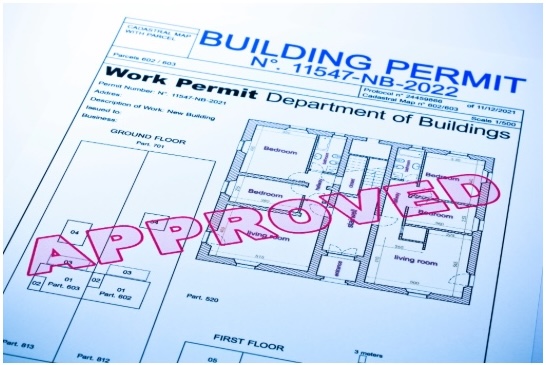
Imagine investing thousands into your dream renovation—only to find out it’s not legally allowed.Yikes, right? That’s the nightmare scenario permits are designed to prevent. They might seem like paperwork purgatory, but permits protect you, your investment, and even your neighbors. In this blog, we’ll break down what construction permits are, why they matter, when you need them, and how to navigate the process without losing your mind (or your wallet). 1. What Exactly Is a Building Permit, Anyway? A building permit is your official “go ahead” from the local government.It confirms your project meets safety standards, zoning rules, and structural codes. Think of it as the city saying, “Yep, you’re good to build that deck, add that room, or upgrade that kitchen.” Permits apply to everything from new builds and major remodels to plumbing, electrical, HVAC, and even fences in some areas. 👉 Practical Tip: Always check with your local building department before assuming your project is “too small” to need a permit. “Permits aren’t just about bureaucracy—they’re about safety, liability, and protecting your future resale value.” — Tom Silva, This Old House 2. When Do You Need One? (Spoiler: More Often Than You Think) Some homeowners assume permits are only for big builds—but they’re often required for: On the flip side, you typically don’t need permits for: 👉 Practical Tip: When in doubt, ask! Fines for unpermitted work can cost more than the permit itself. 📊 According to the National Association of Realtors, selling a home with unpermitted work can drop your resale value by 10–20%. 3. Why You Should Never Skip the Permit Process Skipping permits to “save time” is like skipping a parachute to save weight—it might work… until it doesn’t. Here’s what can happen if you skip it: 👉 Practical Tip: If your contractor suggests “skipping it,” that’s a massive red flag. Reconsider hiring them. “Good work done illegally is still illegal—and potentially dangerous.” — Angie Hicks, founder of Angi (formerly Angie’s List) 4. Who Pulls the Permit—You or the Contractor? Generally, if you’re hiring a contractor, they should pull the permit. This ensures: If you DIY your project, you’ll need to apply for the permit yourself. Just be aware that some municipalities restrict homeowners from pulling certain permits without a licensed pro. 👉 Practical Tip: Always verify that permits were approved and posted on-site before work begins. No sign? No start. 5. What’s the Process Like? (And How Long Does It Take?) The steps vary by city, but here’s a typical process: 👉 Practical Tip: Plan ahead. Delays in permits can stall your entire project—especially during peak seasons. 📈 Permit volumes in the U.S. surged by 22% between 2020–2023, leading to longer processing times in many cities. Conclusion: Permits Protect What You Build Permits might feel like a speed bump, but they’re really a seatbelt—keeping your project safe, legal, and insurable. Whether you’re building a sunroom or upgrading your electrical panel, knowing when and how to get a permit is just part of being a savvy homeowner. So before you swing that first hammer, check your local rules, partner with a reliable contractor, and protect your investment from the ground up.

General Contractor

How to Choose the Right Contractor for Your Home Remodel

Let’s face it—remodeling your home can feel like stepping into a maze blindfolded.And at the heart of that maze? Finding a contractor, you can trust with your time, money, and vision. Sure, the glossy before-and-after photos and five-star reviews are tempting. But if you want to avoid a renovation horror story, you need to dig deeper. Think of hiring a contractor like dating: charm’s nice, but you need someone who’s dependable, experienced, and legally clean. In this post, we’ll show you how to confidently choose the right contractor—without relying on just online reviews—and ensure your project is in safe hands from start to stunning finish. 1. The Reviews Are Just the Trailer—Not the Whole Movie Online reviews can be helpful, but they don’t always tell the whole truth.A contractor might have glowing ratings but still cut corners, delay timelines, or dodge communication when things get tough. Reviews can be cherry-picked, fake, or outdated. 👉 Pro Tip: Ask for at least three recent references—not just a list, but actual phone numbers or emails. Then contact those clients and ask, “Would you hire them again?” “The bitterness of poor quality remains long after the sweetness of low price is forgotten.” — Benjamin Franklin 2. Check the Legal Stuff—Seriously, Do It A contractor with a shady legal history is not someone you want holding a sledgehammer to your dream home.Look up their business license, insurance, and bonding status. Then go a step further: search for lawsuits, complaints, or disciplinary actions filed against them. 👉 Pro Tip: Use your local licensing board’s website or online court records to check for any red flags. For example, many states have searchable databases for contractor violations and litigation history. 📊 The Better Business Bureau reports that home improvement scams are among the top five complaints every year. 3. Ask to See a Start-to-Finish Portfolio (Not Just Glam Shots) A pretty “after” photo is nice—but what did the job look like before and during?A trustworthy contractor will have documentation of their process: initial conditions, progress photos, and the final result. This shows not only the quality of the finish but also how they handle messy middle stages. 👉 Pro Tip: Look for signs of clean job sites, proper material use, and logical work progression. Bonus points if the portfolio includes budget and timeline notes. “Good buildings come from good people, and all problems are solved by good design.” — Stephen Gardiner 4. Verify Their Experience with Your Type of Project Not all contractors are one-size-fits-all.Someone great at new construction might not excel in remodeling, especially with older homes that can come with surprises behind the walls. 👉 Pro Tip: Ask, “Have you worked on projects like mine?”—then ask to see the proof. Whether it’s a kitchen overhaul, a basement conversion, or a historical restoration, specific experience matters. 📈 A HomeAdvisor survey showed that 74% of homeowners prefer a contractor with specialized experience in their type of renovation. 5. Communication Is Key—Test It Early If they’re flaky during the quoting stage, it’s only downhill from there.Pay attention to how quickly they respond, whether they answer questions clearly, and how transparent they are about costs and timelines. 👉 Pro Tip: Set expectations in writing from the start. If a contractor resists putting things on paper, run—don’t walk—the other way. 6. Trust, But Verify (With a Contract!) A handshake doesn’t hold up in court.A professional contractor will give you a detailed contract covering scope of work, materials, timeline, payment schedule, and warranty terms. 👉 Pro Tip: If something seems vague, ask for clarification before signing. And always, always read the fine print. “A verbal contract isn’t worth the paper it’s written on.” — Samuel Goldwyn Conclusion: Choose Smart, Build Confidently A good contractor does more than build—they bring your vision to life, protect your investment, and help you sleep at night. So don’t rush the hiring process. Do your homework, ask the hard questions, and trust your gut. Remember, the best contractor isn’t always the cheapest—it’s the one who delivers honest work, solid communication, and visible results from start to finish.