Understanding Permits: What Every Homeowner Needs to Know Before Starting Construction
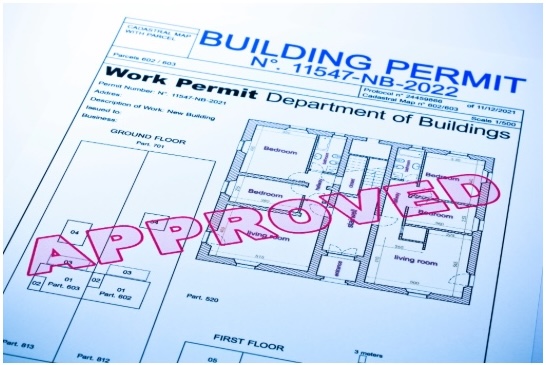
Imagine investing thousands into your dream renovation—only to find out it’s not legally allowed.Yikes, right? That’s the nightmare scenario permits are designed to prevent. They might seem like paperwork purgatory, but permits protect you, your investment, and even your neighbors. In this blog, we’ll break down what construction permits are, why they matter, when you need them, and how to navigate the process without losing your mind (or your wallet). 1. What Exactly Is a Building Permit, Anyway? A building permit is your official “go ahead” from the local government.It confirms your project meets safety standards, zoning rules, and structural codes. Think of it as the city saying, “Yep, you’re good to build that deck, add that room, or upgrade that kitchen.” Permits apply to everything from new builds and major remodels to plumbing, electrical, HVAC, and even fences in some areas. 👉 Practical Tip: Always check with your local building department before assuming your project is “too small” to need a permit. “Permits aren’t just about bureaucracy—they’re about safety, liability, and protecting your future resale value.” — Tom Silva, This Old House 2. When Do You Need One? (Spoiler: More Often Than You Think) Some homeowners assume permits are only for big builds—but they’re often required for: On the flip side, you typically don’t need permits for: 👉 Practical Tip: When in doubt, ask! Fines for unpermitted work can cost more than the permit itself. 📊 According to the National Association of Realtors, selling a home with unpermitted work can drop your resale value by 10–20%. 3. Why You Should Never Skip the Permit Process Skipping permits to “save time” is like skipping a parachute to save weight—it might work… until it doesn’t. Here’s what can happen if you skip it: 👉 Practical Tip: If your contractor suggests “skipping it,” that’s a massive red flag. Reconsider hiring them. “Good work done illegally is still illegal—and potentially dangerous.” — Angie Hicks, founder of Angi (formerly Angie’s List) 4. Who Pulls the Permit—You or the Contractor? Generally, if you’re hiring a contractor, they should pull the permit. This ensures: If you DIY your project, you’ll need to apply for the permit yourself. Just be aware that some municipalities restrict homeowners from pulling certain permits without a licensed pro. 👉 Practical Tip: Always verify that permits were approved and posted on-site before work begins. No sign? No start. 5. What’s the Process Like? (And How Long Does It Take?) The steps vary by city, but here’s a typical process: 👉 Practical Tip: Plan ahead. Delays in permits can stall your entire project—especially during peak seasons. 📈 Permit volumes in the U.S. surged by 22% between 2020–2023, leading to longer processing times in many cities. Conclusion: Permits Protect What You Build Permits might feel like a speed bump, but they’re really a seatbelt—keeping your project safe, legal, and insurable. Whether you’re building a sunroom or upgrading your electrical panel, knowing when and how to get a permit is just part of being a savvy homeowner. So before you swing that first hammer, check your local rules, partner with a reliable contractor, and protect your investment from the ground up.